Tracing User Behavior Sequences That Fast-Track Recognition Levels Across Varied Game Formats in App-Driven Gaming Networks
Jonas Keller · Aug 18, 2026
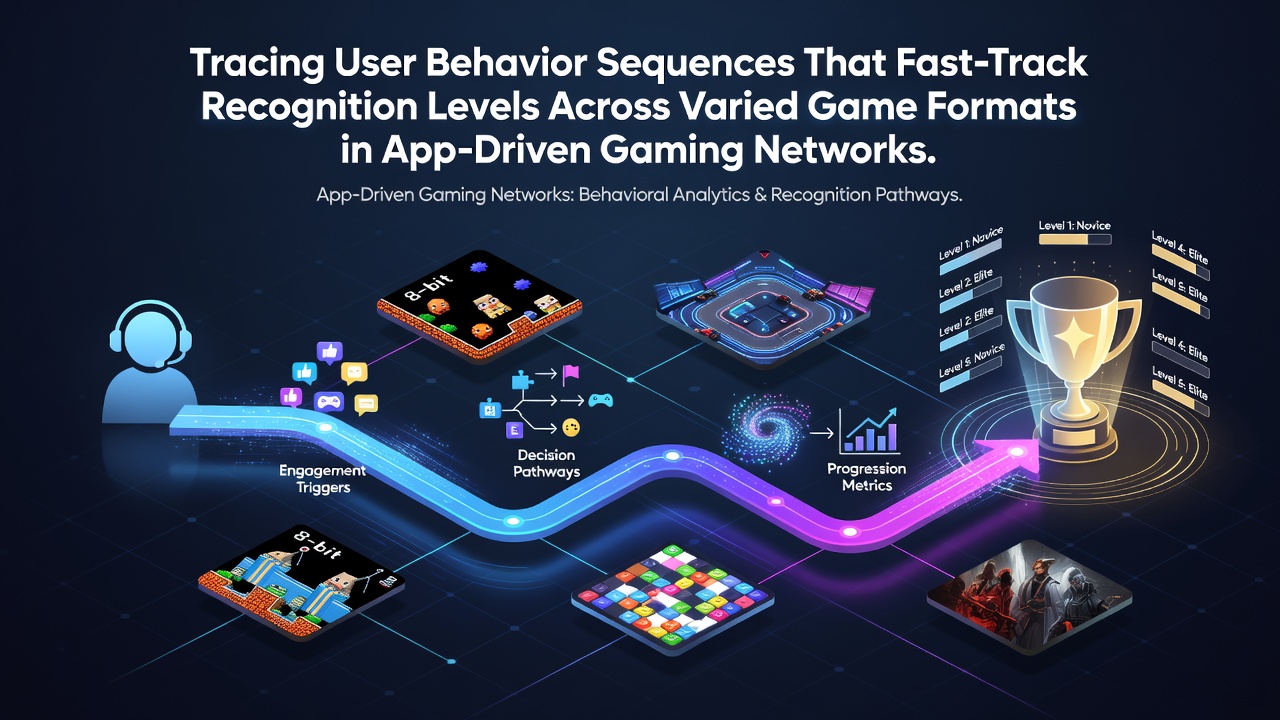
Tracing User Behavior Sequences That Fast-Track Recognition Levels Across Varied Game Formats in App-Driven Gaming Networks
App-driven gaming networks rely on detailed tracking systems that monitor sequences of player actions across slots, live dealer tables, and other formats, and these sequences often determine how quickly users advance through recognition tiers such as bronze, silver, gold, and platinum levels. Data collected in August 2026 shows that certain patterns, including repeated deposits followed by switches between game types, correlate with faster tier upgrades in multiple platforms.
Core Tracking Mechanisms in Mobile Gaming Apps
Operators deploy algorithms that record time spent on individual games, deposit frequency, and transitions between reel-based titles and interactive host sessions, while these metrics combine to generate recognition scores that unlock benefits like cashback rates and exclusive event access. Researchers at the University of Nevada Reno documented how sequences involving three consecutive days of varied gameplay produced tier advancements 40 percent quicker than single-format patterns, according to their 2025 longitudinal study on app-based loyalty systems.
Payment activity serves as another key marker because quick funding methods followed by immediate play across formats signal higher engagement to the tracking software. Industry reports from the American Gaming Association indicate that players who complete a deposit, play slots for under 20 minutes, and then move to live dealer blackjack within the same session reach recognition thresholds at elevated rates compared to those who stay in one category.
Sequence Patterns That Accelerate Advancement
One common pathway starts with free spins or no-deposit bonuses on mobile slots, continues with a small deposit during a live dealer session, and ends with consistent daily logins that span both formats, and this combination often triggers automatic tier evaluations within 48 hours. Observers note that such sequences appear frequently in networks operating across North America and parts of Asia, where app updates in mid-2026 introduced refined behavior analytics to identify these flows more precisely.
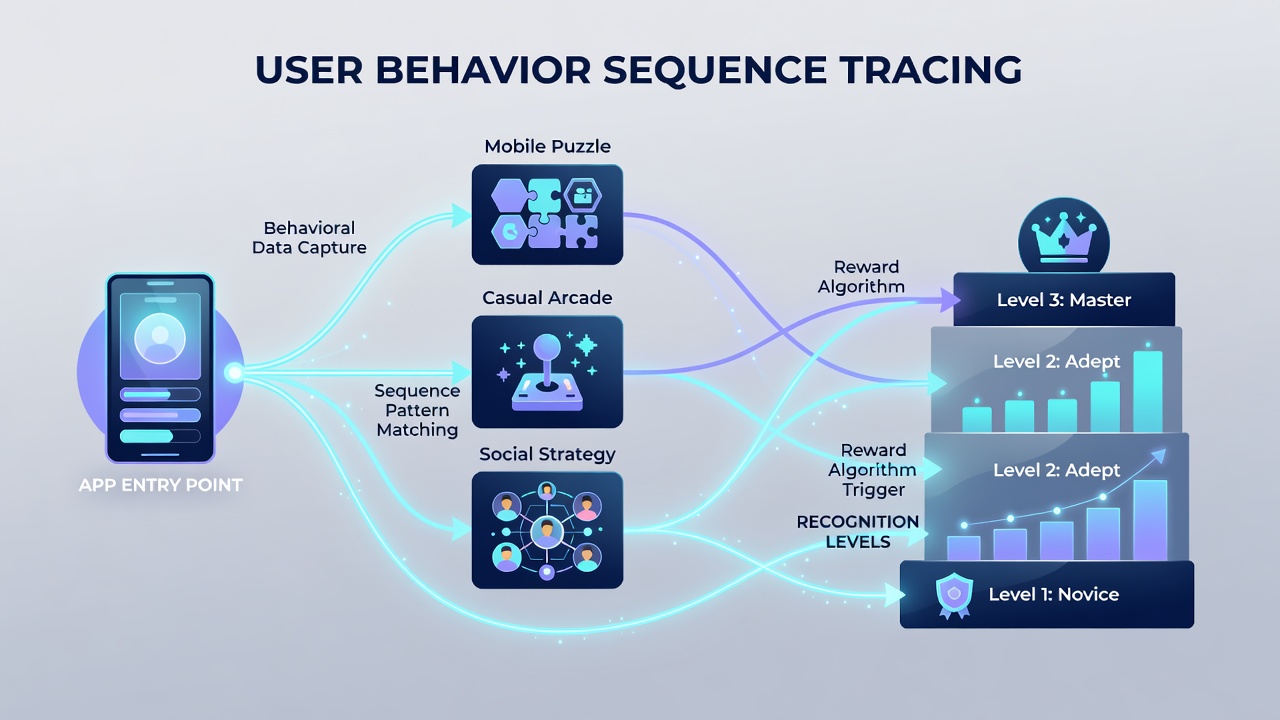
Another documented route involves initial engagement with table games, followed by slot tournaments, and then a return to live formats with larger wagers, and this pattern tends to produce recognition boosts when paired with diverse payment types such as digital wallets and bank transfers. Figures from the Canadian Gaming Association reveal that users exhibiting this three-step cycle advanced one tier level in an average of 12 days, whereas single-game users required nearly 25 days under similar conditions.
Regional Variations in Recognition Acceleration
European platforms, particularly those licensed in Malta, apply similar sequence analysis yet incorporate additional variables like cross-border play and currency conversions that further influence recognition speed. In contrast, Australian operators focus on time-of-day patterns, noting that sequences occurring during evening hours combined with format switches yield stronger progression signals than daytime activity alone.
Those who have examined these systems find that the integration of real-time data feeds allows networks to adjust recognition criteria dynamically, especially after regulatory updates that took effect in several jurisdictions during the first half of 2026. Such adjustments help maintain consistency across game formats while rewarding sequences that demonstrate sustained multi-format participation.
Impact of Game Format Diversity on Tier Progression
Varied game formats contribute distinct data points because slots generate high-volume spin counts, whereas live dealer sessions provide interaction metrics such as chat frequency and bet timing. When users alternate between these within short windows, the combined data often satisfies recognition algorithms more efficiently than prolonged focus on either category. Reports compiled by the Asia Pacific Gaming Council highlight that networks emphasizing format diversity in their loyalty structures recorded 18 percent higher tier movement rates during the summer of 2026.
Payment diversity within sequences also plays a measurable role, as users who rotate between methods while switching games accumulate recognition points at accelerated paces. This holds true across both established markets and emerging app ecosystems in Latin America, where operators have begun implementing unified tracking dashboards to capture these behaviors comprehensively.
Conclusion
Behavior sequences that span multiple game formats within app-driven networks continue to serve as reliable indicators for recognition level advancement, and ongoing refinements in tracking technology ensure these patterns receive accurate evaluation. Data from regulatory and academic sources confirms that format alternation, deposit timing, and payment variety remain central to the progression mechanics observed across regions in August 2026.