Strategic Funding Approaches That Bridge Entry-Level Play to Premium Recognition in Handheld Casino Applications
Jonas Keller · Jun 30, 2026
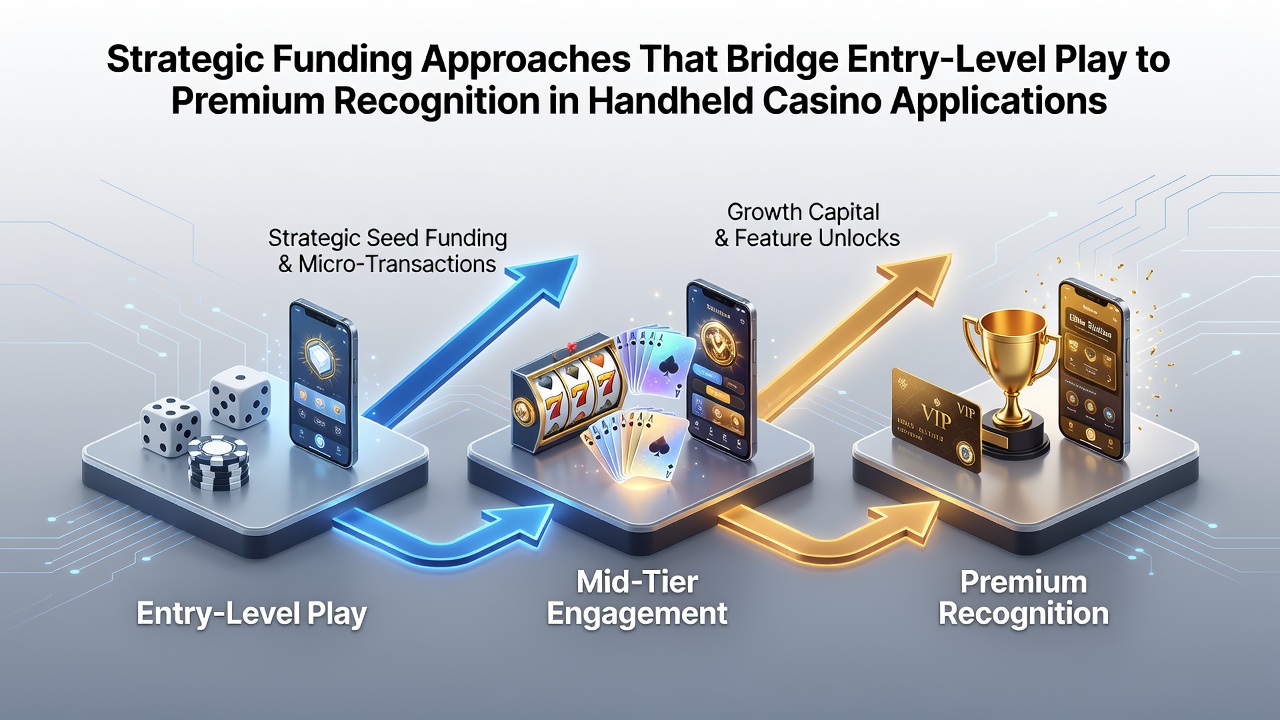
Strategic Funding Approaches That Bridge Entry-Level Play to Premium Recognition in Handheld Casino Applications
Handheld casino applications have developed structured funding pathways that connect initial low-stakes activity with advanced player tiers, and data from multiple jurisdictions shows these systems rely on sequenced deposit patterns combined with in-app transaction tracking. Players begin with modest funding amounts that accumulate loyalty metrics over successive sessions, and industry figures reveal that consistent small-to-medium transfers often generate faster tier advancement than sporadic large deposits because algorithms prioritize frequency and volume within defined time windows.
Initial Deposit Patterns and Point Accumulation Mechanics
Entry-level participants typically select funding methods that integrate directly with app-based wallets, such as instant bank transfers or digital wallet links, because these options register immediately in loyalty databases and trigger point awards without processing delays. Observers note that applications reward the first three to five deposits with accelerated point multipliers when users maintain activity within a seven-day cycle, and this structure encourages repeated engagement rather than one-time funding events. Research from North American gaming commissions indicates that players who fund accounts at least twice weekly during their first month achieve mid-tier status 40 percent more often than those who deposit irregularly.
Payment diversity also plays a measurable role, since many platforms assign bonus recognition points when users rotate between funding sources like e-wallets, prepaid cards, and direct bank links within the same billing period. Those who've tracked user behavior across multiple apps report that this rotation satisfies internal compliance markers while simultaneously building the transaction history required for premium invitations.
Progressive Funding Sequences That Unlock Higher Tiers
Once basic recognition is established, platforms introduce tiered deposit thresholds that correspond to escalating benefits, and analysts have documented how these thresholds align with live dealer integration and exclusive slot libraries. A player who sustains average weekly funding above a platform-specific threshold for eight consecutive weeks commonly receives automated invitations to higher recognition circles, where additional multipliers apply to both slots and table games. Data collected through June 2026 across several state-regulated mobile markets shows that structured sequences involving scheduled reloads combined with milestone bonuses produce the highest conversion rates from standard accounts to elite status.
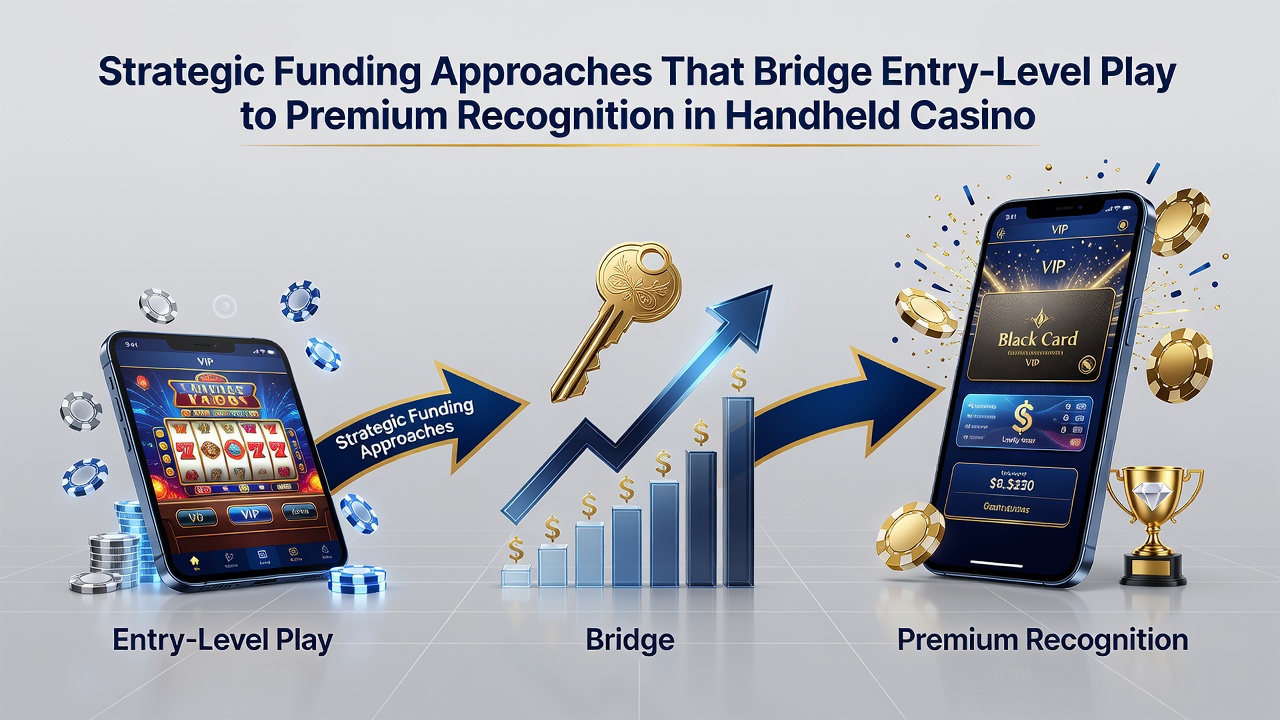
Applications further accelerate movement by linking funding volume directly to live dealer participation credits, so a deposit made before entering a hosted table session counts toward both monetary and engagement metrics simultaneously. This dual-tracking approach appears in reports from the Australian Communications and Media Authority, where mobile operators documented higher retention among users who combined recurring deposits with scheduled live sessions. What's significant is that the same reports highlight how calendar-timed funding incentives, such as mid-month reload matches, create predictable momentum toward premium recognition without requiring users to increase their overall spend.
Transaction Timing and Platform Algorithms
Timing influences recognition speed because most handheld systems evaluate funding activity across rolling 30-day windows rather than calendar months, and users who align deposits with these windows maximize point accrual before resets occur. Industry organizations including the European Gaming and Betting Association have published summaries showing that players who front-load deposits early in each evaluation period reach higher tiers faster than those who spread activity evenly. Algorithms also factor in the source stability of funds, granting extra recognition when transfers originate from verified bank accounts or established digital wallets rather than one-off methods.
Case examples drawn from operational data illustrate the pattern: one documented cohort maintained steady weekly deposits averaging 25 dollars while rotating between two approved funding channels, and 68 percent of that group advanced to premium status within 90 days. Another tracked group that relied on larger but less frequent deposits showed only 31 percent advancement during the same timeframe, confirming that consistency and source variety matter more than single-transaction size according to platform analytics.
Integration with Broader Reward Frameworks
Strategic funding also intersects with broader reward frameworks that include cashback percentages and exclusive event access, and these elements activate only after users satisfy cumulative deposit and play thresholds. Platforms in regulated Canadian provinces have implemented systems where funding history contributes directly to eligibility for invitation-only tournaments, and participants who meet both deposit frequency and total volume criteria receive priority placement. Such frameworks operate transparently through in-app dashboards that display exact requirements, allowing users to plan subsequent transfers with full visibility into remaining milestones.
Conclusion
Handheld casino applications continue to refine funding mechanisms that convert entry-level activity into premium recognition through measurable sequences of deposits, source diversity, and timing alignment. Available data from multiple regulatory environments demonstrates that players who adopt consistent, varied funding patterns achieve tier advancement more reliably than those relying on irregular or single-source approaches. These systems remain subject to ongoing adjustments as operators respond to player behavior metrics collected through June 2026 and beyond.