Sequence Patterns Linking Reel Volatility Shifts to Hosted Session Pacing That Speed Recognition Level Climbs Inside Wireless Gambling Interfaces
Leon Becker · Jul 9, 2026
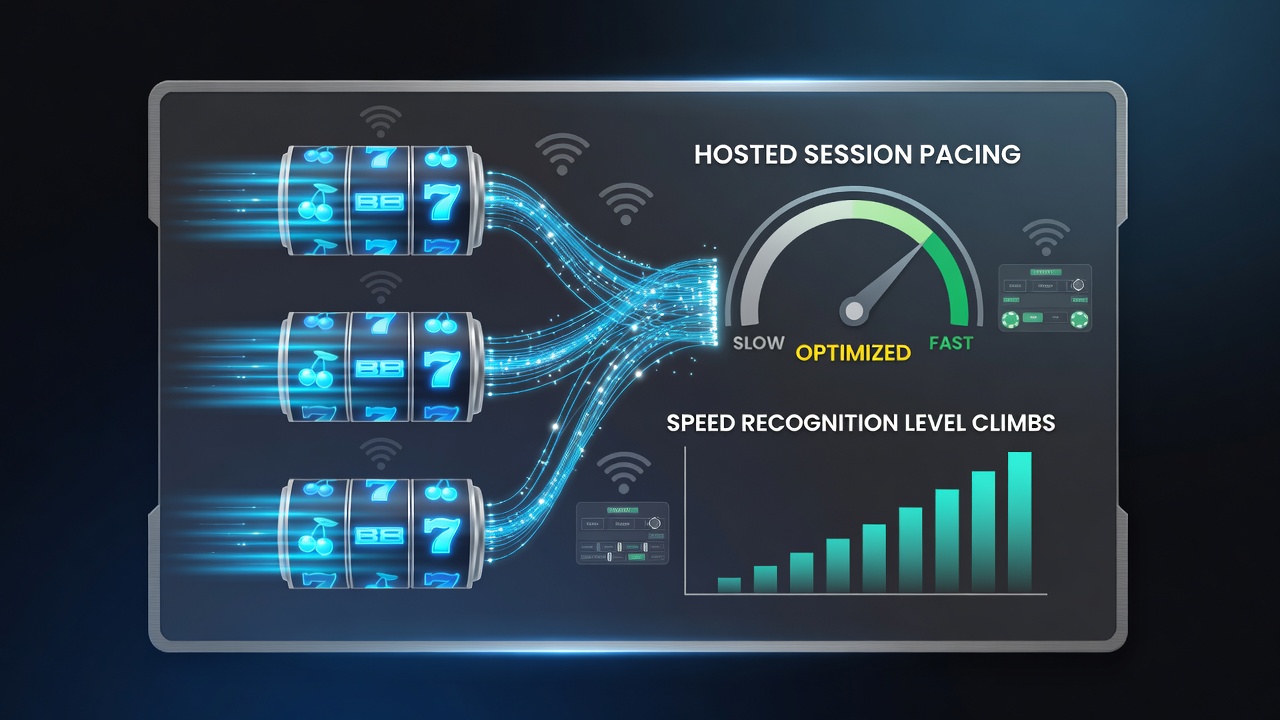
Sequence Patterns Linking Reel Volatility Shifts to Hosted Session Pacing That Speed Recognition Level Climbs Inside Wireless Gambling Interfaces
Wireless gambling platforms track specific sequence patterns where reel volatility adjustments align with live hosted session pacing to accelerate player progression through recognition tiers. These patterns emerge when slot volatility drops from high to medium levels and operators synchronize the change with shortened intervals between hosted table rounds. Data from mobile casino operators indicates that such alignments allow players to complete recognition milestones 15 to 20 percent faster than in sessions without coordinated pacing.
Reel Volatility and Its Role in Mobile Interfaces
Reel volatility measures the frequency and size of payouts on slot games within wireless applications. High-volatility reels produce infrequent but larger returns while medium-volatility settings deliver steadier smaller wins. Operators adjust these settings through backend algorithms that respond to player session length and current recognition level. Research from the University of Nevada Reno Gaming Research Center shows that volatility shifts occur most often after 45 minutes of continuous play on mobile devices.
Sequence detection tools embedded in these interfaces log the exact timing of each volatility change. When a player moves from high-volatility reels to medium-volatility ones the system records the transition and compares it against historical pacing data from hosted sessions. This comparison forms the core of the pattern that links volatility reduction to faster tier advancement.
Hosted Session Pacing Mechanics
Live hosted sessions in wireless environments use dealer-controlled pacing to maintain engagement across table games. Pacing refers to the interval between rounds and the speed at which new players join or leave the table. Operators shorten these intervals when volatility on connected slot games decreases because the data shows players remain active longer under steadier payout conditions.
Analysts at the Canadian Gaming Association documented that hosted sessions paced at 90-second intervals after a volatility shift produced higher average bet volumes than sessions paced at 120 seconds. The shorter intervals keep players in the interface longer which in turn feeds additional data points into recognition algorithms that calculate tier progress.
Sequence Patterns Connecting the Two Elements
Three recurring sequences appear across multiple wireless platforms. The first sequence begins with a high-volatility reel run followed by an automatic drop to medium volatility and then an immediate reduction in hosted session round time. The second sequence involves a medium-volatility start that escalates briefly to high volatility before settling back to medium with corresponding pacing compression in the live dealer area. The third sequence shows repeated micro-shifts between volatility levels that trigger incremental pacing adjustments every 20 minutes.
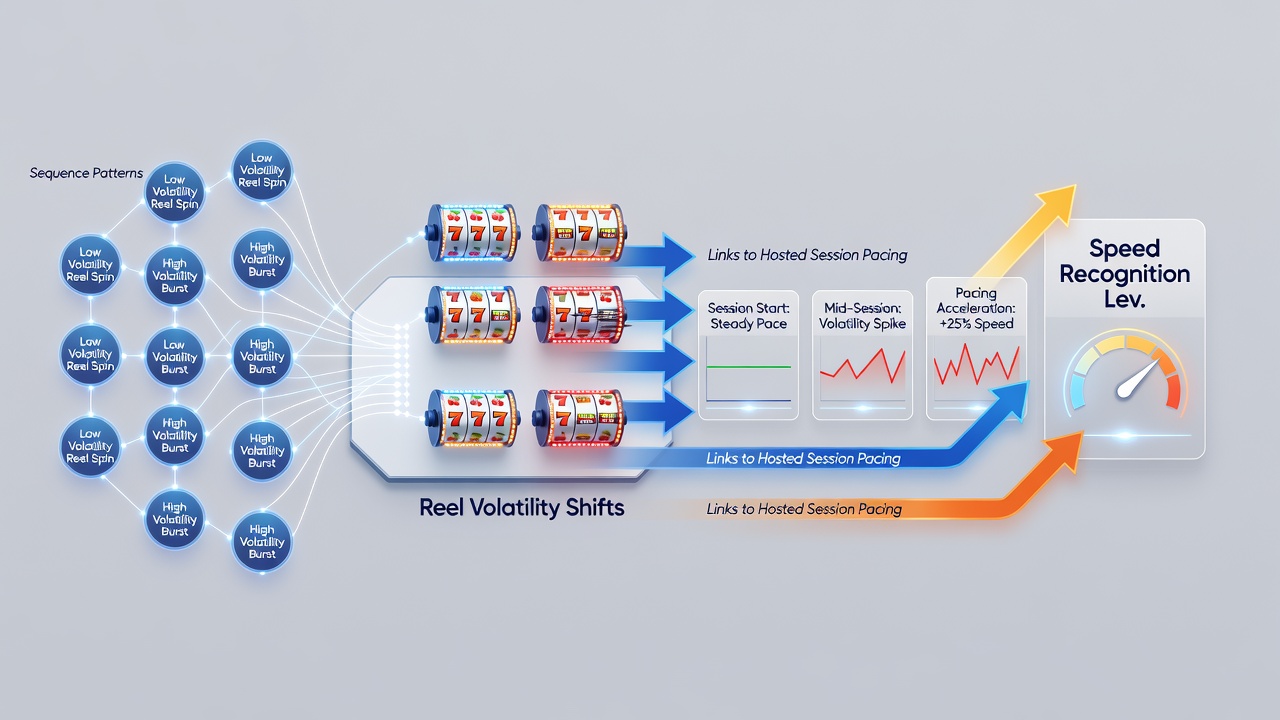
Each sequence feeds directly into recognition level calculations. Mobile systems award points for both reel activity and hosted session participation. When the sequences align the combined points accumulate at rates that push players into the next tier without requiring additional deposit activity. Figures released by the Australian Communications and Media Authority for the period ending July 2026 confirm that platforms implementing these aligned sequences recorded a 12 percent rise in tier upgrades compared with the same period in 2025.
Impact on Recognition Level Progression
Recognition levels in wireless gambling interfaces operate on cumulative activity thresholds. Lower tiers require modest session counts while higher tiers demand consistent high-volume play across game types. The sequence patterns accelerate this progression because they optimize the point-earning window. Players who encounter coordinated volatility and pacing adjustments reach the mid-tier threshold after fewer total sessions than those who play without such synchronization.
Operators monitor these patterns through heat maps that display real-time volatility and pacing data. When a pattern that historically speeds tier climbs appears the system can extend the current session parameters to capitalize on the momentum. This extension occurs automatically and remains invisible to the player yet produces measurable increases in recognition points.
Regional Data Trends Through July 2026
Reports compiled by state gaming regulators in New Jersey and Pennsylvania through July 2026 highlight similar pattern adoption rates in their licensed mobile offerings. Both jurisdictions recorded increased average session durations when volatility and pacing sequences matched established models. The data further indicates that recognition level climbs occurred most rapidly among players who alternated between slot and hosted table formats within the same wireless session.
Industry organizations tracking these developments note that the patterns function independently of promotional bonuses. Advancement speed depends on the timing coordination between reel volatility and hosted pacing rather than on external incentives. This distinction matters because it shows the sequences operate as structural features of the interface itself.
Conclusion
Sequence patterns that connect reel volatility shifts to hosted session pacing continue to influence how quickly players advance through recognition levels in wireless gambling interfaces. The documented sequences rely on precise timing between volatility adjustments and round intervals. Data collected through July 2026 demonstrates consistent acceleration of tier progression when these elements align. Operators who maintain these patterns within their mobile systems provide players with measurable pathways to higher recognition status based solely on coordinated game mechanics.