Screen Dimensions Affecting Selection of Reel Machines Versus Interactive Host Games in Pursuit of Recognition Benefits Within App-Based Casinos
Leon Becker · Aug 2, 2026
Screen Dimensions Affecting Selection of Reel Machines Versus Interactive Host Games in Pursuit of Recognition Benefits Within App-Based Casinos
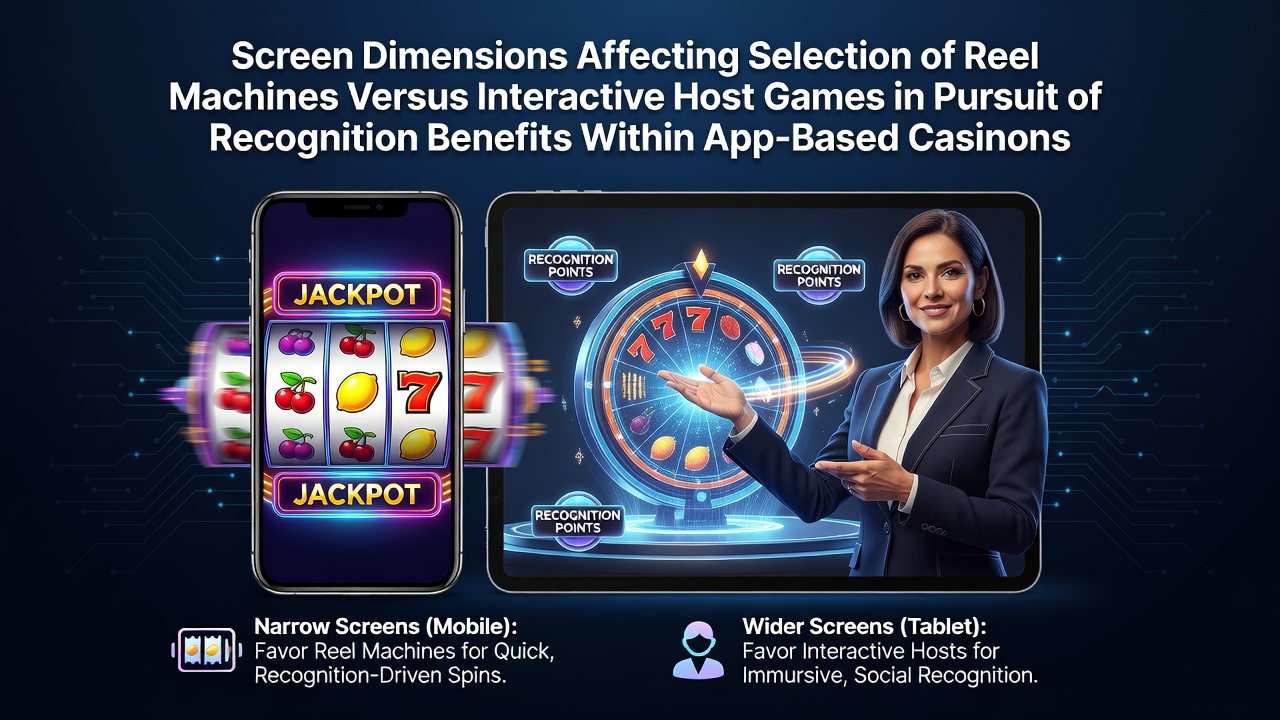
Screen dimensions play a direct role in how users select reel machines over interactive host games inside app-based casino platforms, and those choices often connect to the speed at which players accumulate recognition benefits such as loyalty points and tier upgrades. Data from multiple markets shows that devices with smaller displays tend to favor simpler reel-based titles while larger tablets and foldables support more complex host-driven sessions that require sustained visual attention and touch precision.
Device Size and Game Type Patterns
Smartphone screens measuring under 6.5 inches typically guide users toward reel machines because those titles load quickly, require minimal scrolling, and maintain clarity without zooming. Researchers tracking session logs across North American and European operators note that players on compact phones complete more spins per minute and therefore trigger bonus features at higher rates, which in turn feeds into reward algorithms that credit loyalty points faster. In contrast, tablets and larger phones allow interactive host games to display multiple camera angles, chat overlays, and real-time statistics without crowding the interface, leading players to spend longer continuous sessions at those tables.
August 2026 usage reports from several app providers indicate that the introduction of new mid-range Android devices with 6.8-inch displays shifted a measurable portion of reel-machine play toward hybrid titles that blend spinning reels with occasional host interactions. Those shifts matter because recognition programs often award higher multipliers for table-style engagement once a player reaches a set number of qualifying hands or rounds.
Loyalty Progression Through Screen-Driven Choices
Recognition benefits in app-based casinos usually scale with game category volume and session duration. Smaller screens encourage rapid reel play that accumulates base points efficiently, yet they limit the number of simultaneous bonuses available during interactive host rounds. Observers monitoring player progression data have documented cases where users who switched to tablets after initial reel sessions on phones advanced one tier faster because the larger display supported extended host-game participation without interface strain. This pattern appears across multiple operators because reward systems track both spin count and table time as separate but additive metrics.
Regional Variations in Screen Preferences
Markets with high tablet adoption, such as parts of Australia and Canada, show stronger uptake of interactive host games on screens above 10 inches, according to figures released by the Canadian Centre for Gaming Research. In those regions, players report smoother navigation through multi-player host interfaces when the display accommodates side panels for statistics and side bets. Meanwhile, smartphone-dominant regions continue to register higher reel-machine volumes that still contribute to recognition thresholds, though at a steadier rather than accelerated pace.
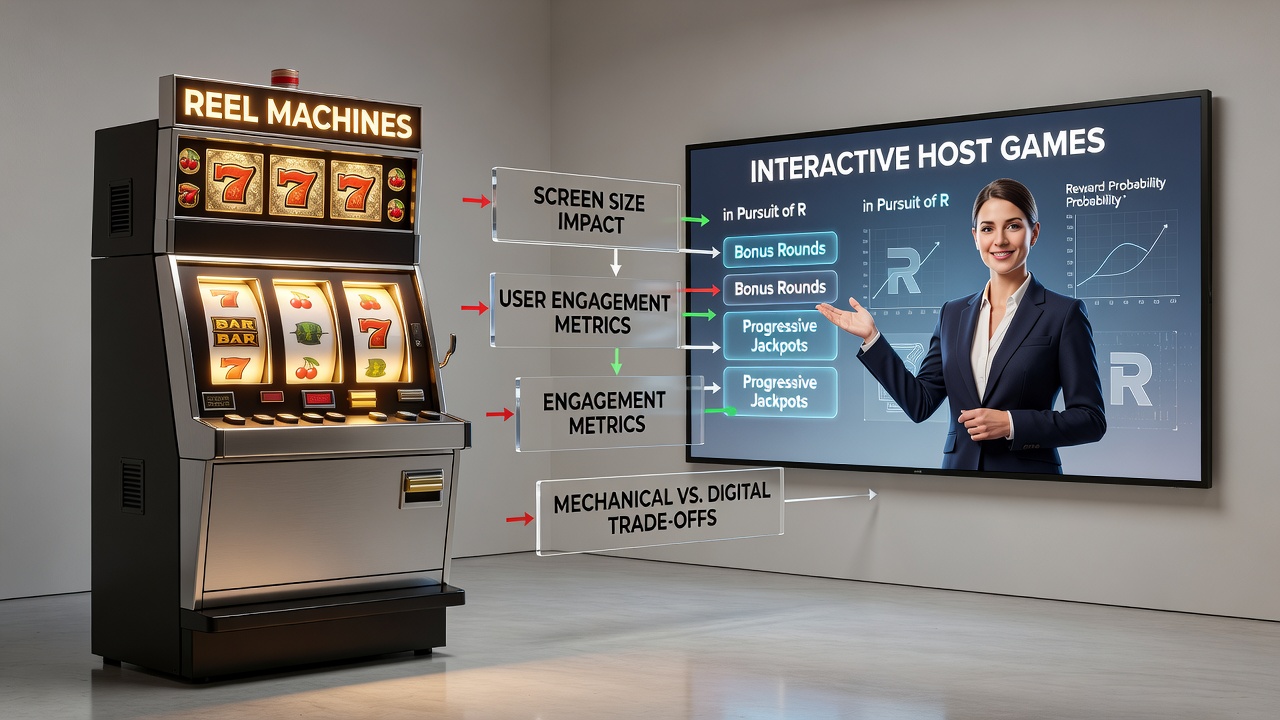
Operators adjust their bonus structures to account for these device-driven habits. Some platforms now offer screen-size-specific promotions that grant extra recognition points when users complete host-game milestones on tablets, recognizing that the larger interface supports the sustained attention those rounds demand. Data from the Nevada Gaming Control Board monthly summaries for early 2026 already reflect increased mobile table-game handle on larger devices, suggesting the trend continues into the second half of the year.
Interface Design and Recognition Algorithms
App developers optimize reel machines for vertical scrolling and single-thumb operation on narrow screens, which keeps players inside the game longer and generates consistent point accrual. Interactive host games, however, rely on horizontal layouts and multi-touch gestures that become cumbersome below certain pixel widths. When recognition systems weigh both volume and variety, players who can comfortably access host rounds on bigger screens tend to diversify their activity mix and hit higher-tier thresholds sooner. Studies of session heat maps confirm that drop-off rates for host games rise sharply once screen real estate falls below the point where chat and statistics panels remain visible without constant resizing.
Those design realities influence how operators present game libraries inside their apps. Recommended sections often default to reel machines for detected smartphone users while surfacing host titles more prominently for tablet sessions, thereby guiding players toward the activity type that best matches their device capabilities and, by extension, their potential recognition trajectory.
Conclusion
Screen dimensions shape the practical choice between reel machines and interactive host games within app-based casinos, and those choices feed directly into the metrics that determine recognition benefits. Smaller displays sustain high-volume reel play that builds points steadily, while larger screens enable the extended host sessions that accelerate tier movement. Operators continue to refine detection and recommendation systems to align game suggestions with device specifications, ensuring that reward pathways remain accessible regardless of the screen size a player uses.