Ripple Effects from Licensing Changes on Incentive Designs and Selection Options in Portable Gaming Applications
Jonas Keller · Jul 19, 2026
Ripple Effects from Licensing Changes on Incentive Designs and Selection Options in Portable Gaming Applications
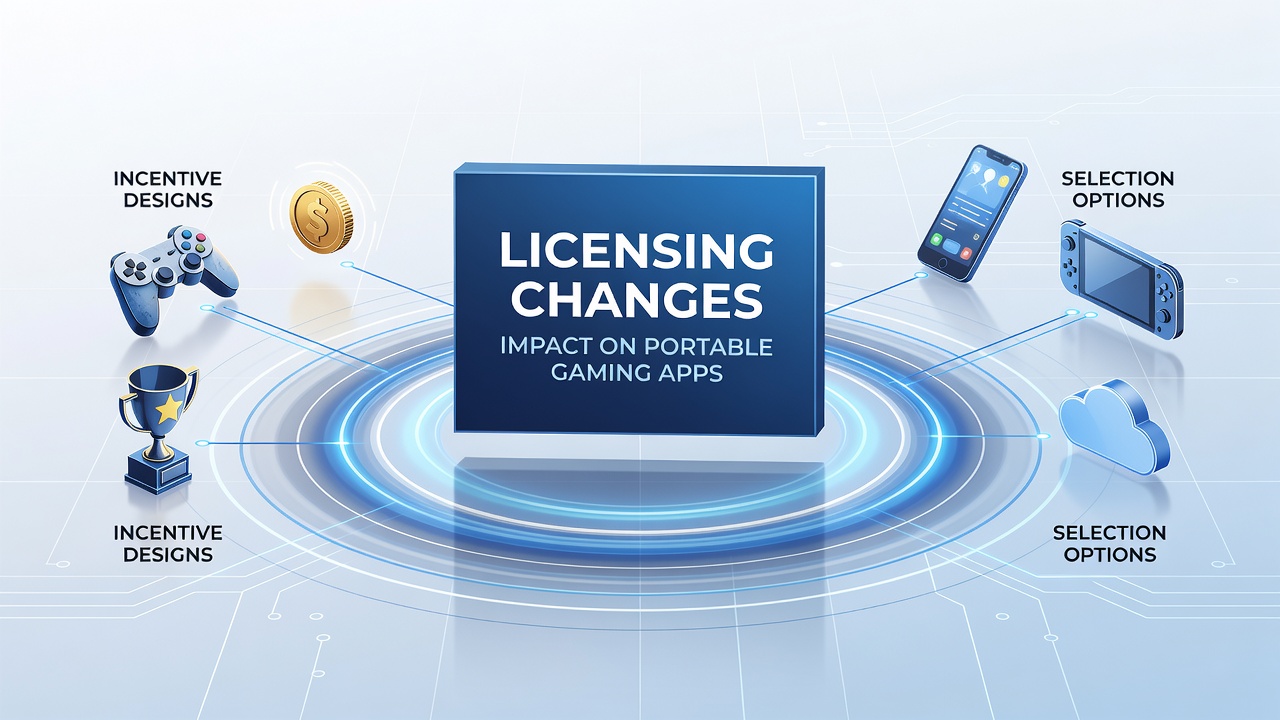
Licensing frameworks in portable gaming continue to evolve across multiple jurisdictions, and these shifts create direct changes in how operators structure incentives while determining which titles appear in mobile libraries. Regulatory updates in several regions during early 2026 prompted developers to recalibrate reward mechanics and game catalogs to maintain compliance without disrupting user access.
Regulatory Adjustments Across Key Markets
State-level authorities in the United States implemented revised licensing criteria for digital gaming platforms in the first half of 2026, with particular attention to mobile distribution channels. These modifications required operators to document incentive structures more thoroughly and to align game selections with updated responsible gaming parameters. Data from the National Conference of State Legislatures shows that at least eight states introduced new reporting obligations tied to bonus designs and title availability by July 2026.
Similar patterns emerged in parts of Europe and Australia, where licensing bodies adjusted approval processes for portable applications. Operators responded by modifying progression systems and promotional offers to satisfy jurisdiction-specific rules while preserving engagement metrics. The adjustments often involved reclassifying certain reward tiers or limiting access to specific game categories based on license conditions.
Changes to Incentive Structures
Incentive designs adapted quickly once new licensing terms took effect. Daily login bonuses and streak rewards underwent revisions in several major applications to incorporate mandatory cooling-off features or spending caps tied to license conditions. Operators replaced flat-rate multipliers with tiered systems that scale according to verified play patterns, a direct response to regulatory emphasis on sustainable engagement models.
Selection options for portable titles also narrowed or expanded depending on the license category obtained. Applications operating under stricter licenses reduced the number of high-volatility games available during promotional windows, while those securing broader approvals introduced additional live interactive formats. These shifts reflect compliance requirements rather than market preferences alone.
Game Library Adjustments in Mobile Environments
Portable gaming applications updated their catalogs to reflect licensing boundaries that vary by region and operator. Titles featuring certain mechanics faced removal or restricted availability in markets where new rules emphasized player protection thresholds. Conversely, applications gained access to expanded libraries once they completed enhanced licensing reviews that verified technical and operational standards.
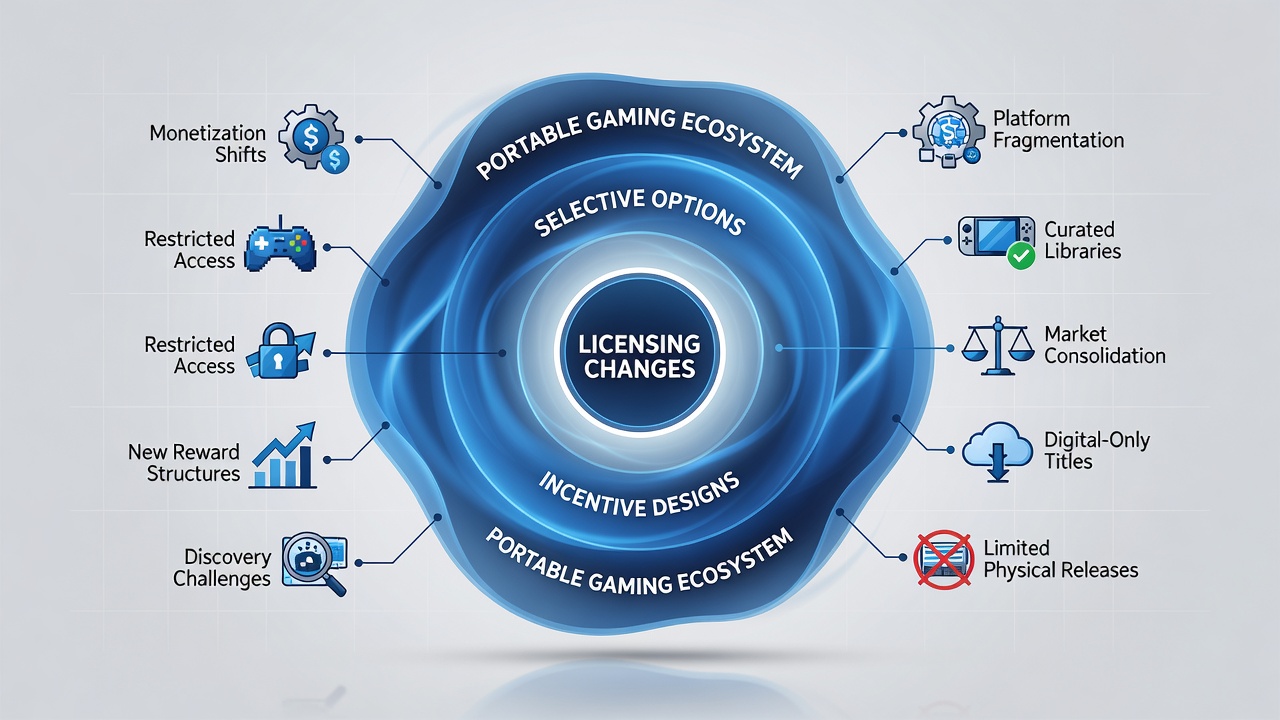
Research from the University of Nevada, Reno gaming studies program indicates that library composition changed measurably between January and July 2026 in states with revised digital licensing. Applications added more skill-influenced titles where permitted and limited certain chance-based options in jurisdictions enforcing stricter categorization. These modifications occurred alongside updates to payment and verification flows required under the same license agreements.
Industry Response and Implementation Patterns
Operators coordinated with technology providers to embed compliance tools directly into application frameworks. Real-time tracking systems now monitor incentive distribution against license caps, while automated filters adjust visible game selections based on user location and account status. These technical adaptations emerged as standard practice following the regulatory updates that took hold in multiple markets during spring 2026.
Trade data compiled by the American Gaming Association highlights increased investment in modular content management systems that allow rapid reconfiguration of both rewards and game rosters. The same report notes that applications serving multiple jurisdictions maintained separate incentive schedules and library versions to satisfy each license set without cross-contamination of features.
Conclusion
Licensing changes continue to influence how portable gaming applications configure incentives and curate selections, with measurable effects appearing across compliance documentation and user-facing features by July 2026. Operators maintain multiple configurations to address varying requirements, while technical systems support the necessary flexibility. Ongoing regulatory developments in additional jurisdictions suggest further refinements to both incentive mechanics and available content will occur as new license terms are adopted.