Mapping Incentive Pathways: How Varied Transaction Methods Shape Progression Through Recognition Tiers in App-Based Gaming Ecosystems
Devon Vogel · Jul 16, 2026
Mapping Incentive Pathways: How Varied Transaction Methods Shape Progression Through Recognition Tiers in App-Based Gaming Ecosystems
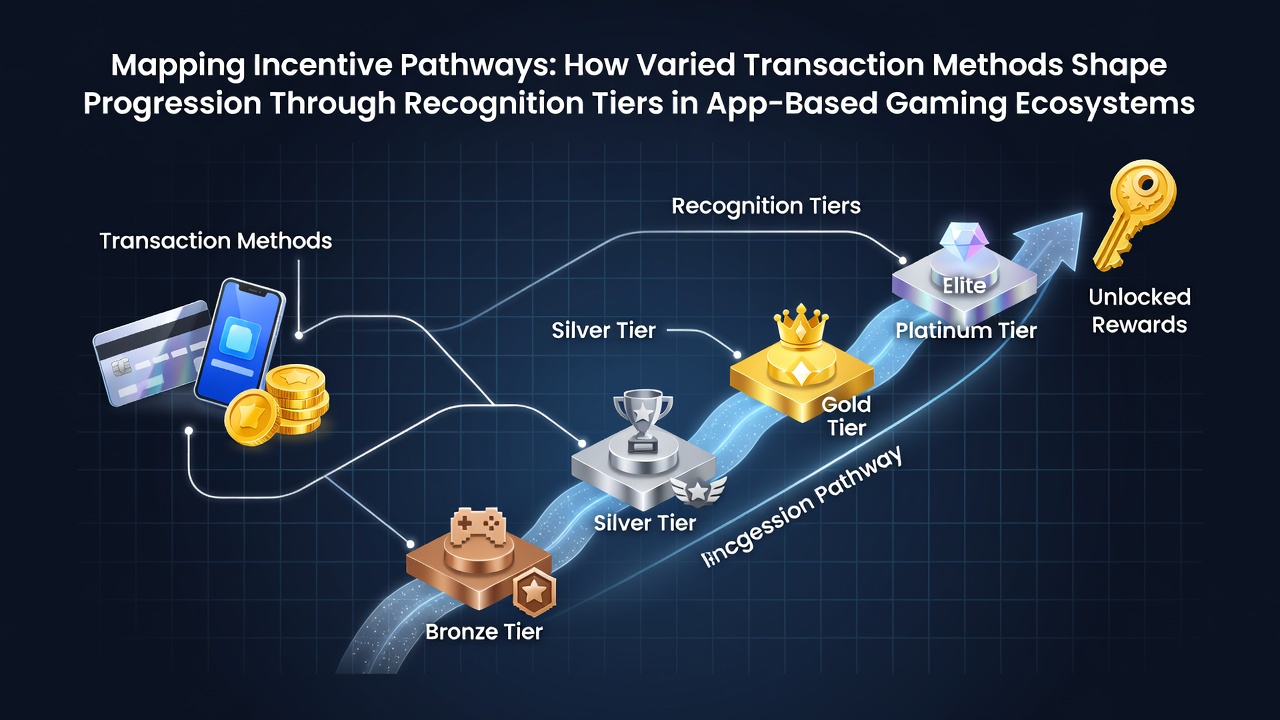
App-based gaming ecosystems rely on structured recognition tiers that reward consistent player activity through points, status levels, and exclusive benefits, and transaction methods play a direct role in determining how quickly participants advance from entry-level rewards to premium privileges. Different payment channels carry distinct processing speeds, fee structures, and integration capabilities that influence deposit frequency, wager volume, and overall progression velocity within these systems.
Core Mechanics of Recognition Tiers
Recognition programs in mobile gaming platforms typically organize players into ascending tiers based on cumulative deposits, wagering activity, and account tenure, with each level unlocking enhanced cashback rates, personalized bonuses, and priority access to new features. Transaction records feed directly into these calculations because every deposit contributes to point tallies that determine tier eligibility, and platforms track both the volume and the velocity of those deposits to accelerate or delay advancement.
Observers note that platforms adjust tier thresholds seasonally, and data from July 2026 shows several major operators revised their qualification criteria to accommodate faster crypto settlement times while maintaining stricter verification windows for traditional bank transfers. These adjustments reflect ongoing efforts to balance player retention with regulatory compliance across multiple jurisdictions.
Transaction Methods and Their Distinct Effects
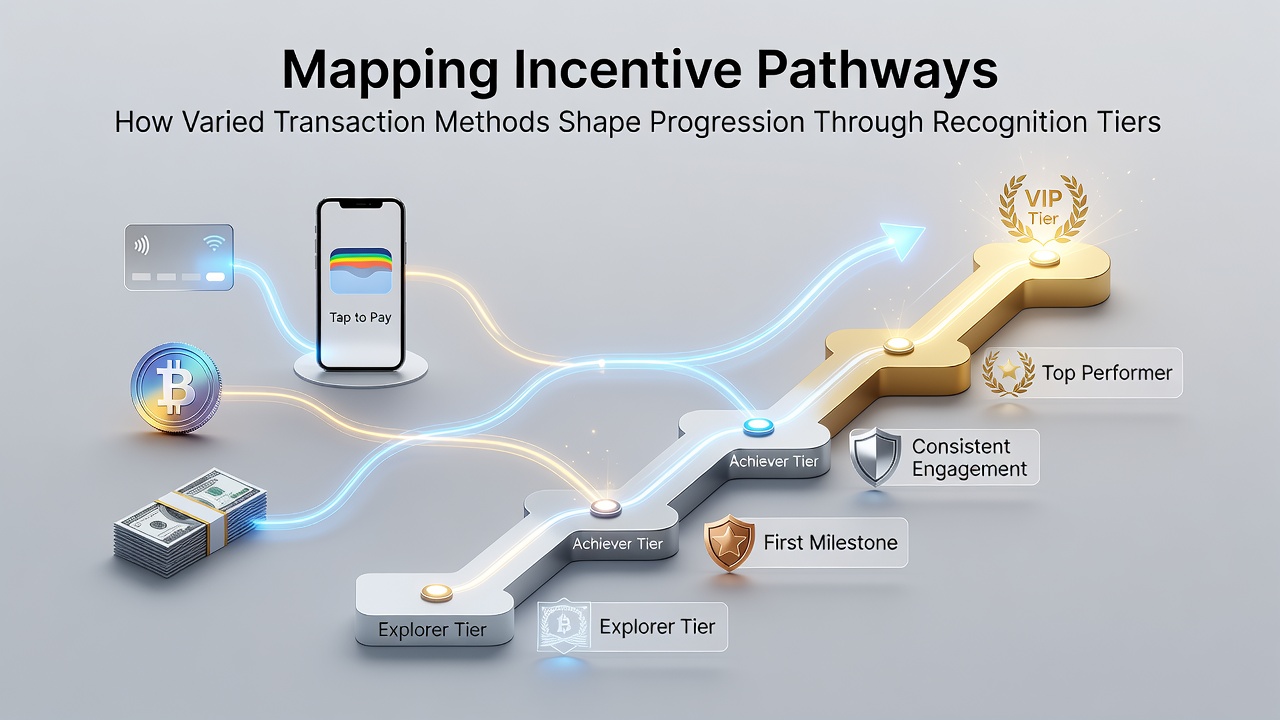
Credit and debit card transactions remain the most common entry point for new users, yet they often introduce processing delays and higher merchant fees that reduce the net amount applied toward tier qualification. In contrast, e-wallet solutions such as PayPal and Skrill provide near-instant confirmation, allowing players to complete multiple deposits within a single session and thereby accumulate points at a quicker pace.
Cryptocurrency options, including Bitcoin and stablecoins, have gained traction because they bypass traditional banking intermediaries and settle within minutes, which lets participants meet daily or weekly deposit requirements without interruption. Research indicates that platforms offering crypto deposits report higher average tier advancement rates among users who select those methods, particularly when the ecosystem automatically converts crypto values into loyalty points at favorable rates.
Regional Patterns and Platform Adaptations
North American operators have integrated direct bank transfers through services like Plaid to reduce friction for larger deposits, and figures from the New Jersey Division of Gaming Enforcement reveal that players using these instant bank links progressed to mid-tier status 23 percent faster than card-only users during the first half of 2026. European and Asian markets show parallel trends, with operators prioritizing local instant payment systems that align with regional banking infrastructure.
Those who study player behavior across borders observe that platforms in markets with strict anti-money-laundering rules impose additional verification layers on high-volume transactions regardless of method, which can temporarily stall tier progression until documentation clears. This creates a secondary pathway where users who combine smaller, frequent deposits via e-wallets sometimes reach higher tiers ahead of those attempting single large transfers that trigger extended reviews.
Data Correlations Between Payment Choice and Advancement Speed
Analytics compiled by iGaming Ontario demonstrate that players who alternate between at least three distinct transaction methods achieve top-tier recognition roughly 18 percent sooner than single-method users, likely because diversified activity triggers additional bonus multipliers tied to payment variety. The same dataset shows that crypto-heavy users maintain steadier progression curves because settlement reliability reduces the number of failed or delayed deposits that reset daily qualification counters.
Platform algorithms also factor in transaction cost efficiency, awarding extra loyalty points when deposits incur minimal fees, which further advantages e-wallet and crypto routes over credit cards that carry percentage-based charges. These mechanics create incentive pathways that reward strategic payment selection rather than sheer volume alone.
Future Trajectories in July 2026 and Beyond
As of July 2026, several operators have begun testing unified payment dashboards that display projected tier advancement timelines based on chosen transaction methods, giving users visibility into how specific choices affect their status trajectory. Industry reports suggest these tools will expand to include predictive modeling that accounts for regulatory changes and seasonal bonus campaigns.
Continued evolution of instant settlement technologies and cross-border payment rails will likely compress the time required to move through recognition tiers, provided platforms maintain compliance frameworks that do not introduce offsetting verification delays. The interplay between transaction diversity and tier progression therefore remains a central design consideration for app-based gaming ecosystems seeking sustained user engagement.
Conclusion
Transaction method selection directly influences the pace and predictability of advancement through recognition tiers in app-based gaming, with faster, lower-fee options generally supporting quicker qualification while diversified usage unlocks supplementary multipliers. Data from regulatory bodies and platform analytics continue to map these pathways, revealing measurable differences in progression outcomes tied to payment infrastructure choices.