Mapping Algorithmic Matchmaking Patterns That Align User Preferences with Layered Recognition Pathways in App-Driven Entertainment Ecosystems
Rosa Schmid · Jul 26, 2026
Mapping Algorithmic Matchmaking Patterns That Align User Preferences with Layered Recognition Pathways in App-Driven Entertainment Ecosystems
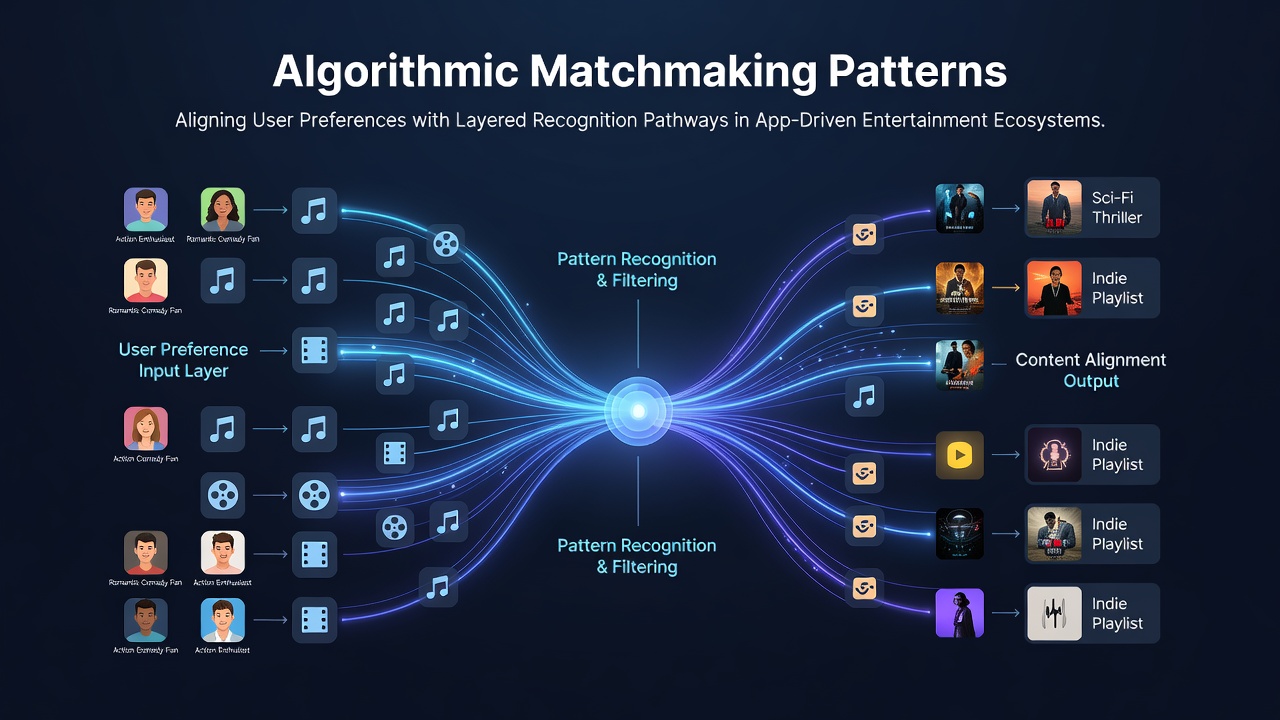
App-driven entertainment ecosystems rely on algorithmic systems that process user behavior data to generate matches between preferences and available content. These systems operate through layered recognition pathways that track activity across sessions and build profiles over time. Data from mobile applications shows patterns where initial interactions influence subsequent recommendations, while longer-term engagement feeds into recognition tiers that unlock additional features or content access. Researchers at institutions studying digital platforms have documented how collaborative filtering techniques combine with content-based analysis to refine these matches. In practice, an app collects signals such as viewing duration, search frequency, and interaction rates, then applies models that predict future selections. This process creates feedback loops where successful matches increase user retention metrics, and unsuccessful ones trigger adjustments in the underlying algorithms.Core Components of Matchmaking Algorithms
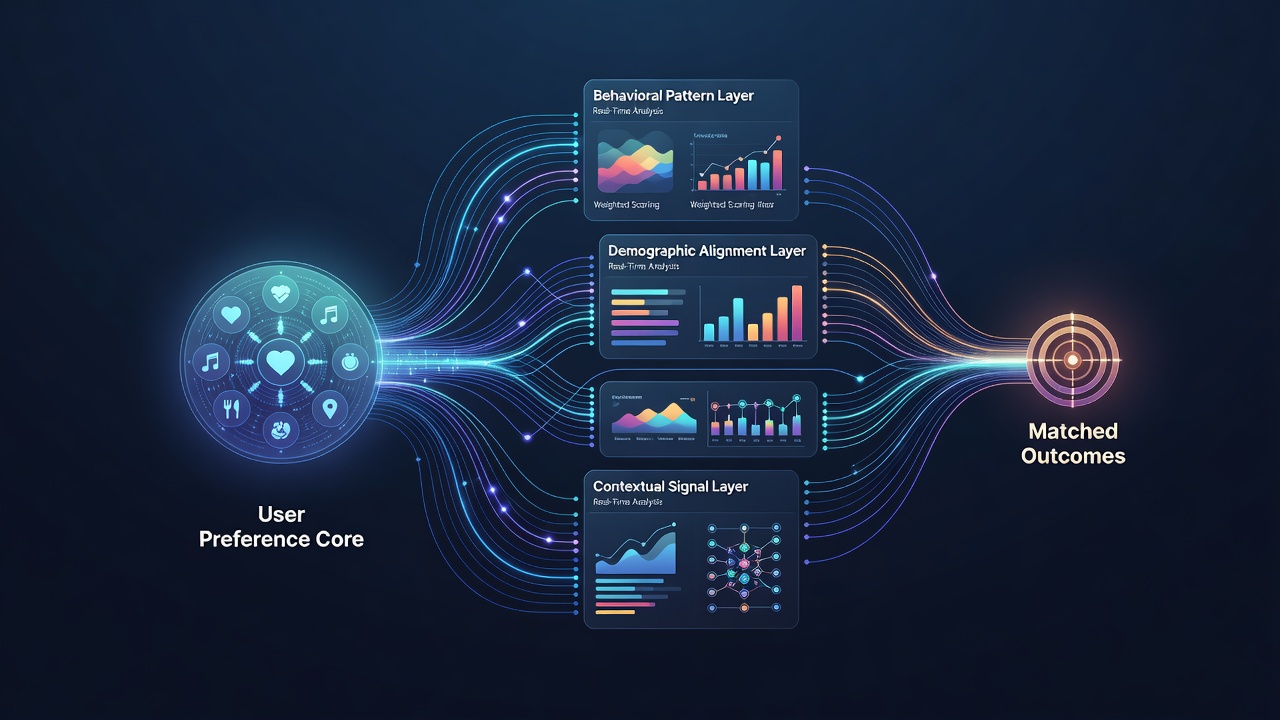
Three primary components structure most algorithmic matchmaking in entertainment apps. First, preference extraction modules analyze explicit inputs like ratings alongside implicit signals such as dwell time. Second, similarity computation engines compare individual profiles against aggregated user clusters or item attributes. Third, ranking functions prioritize outputs based on recency, diversity thresholds, and platform-specific objectives like session length extension.
These components interact through iterative updates. When a user engages with a suggested item, the system records the outcome and recalibrates weights assigned to different data points. Observers note that this recalibration occurs at varying intervals, with some applications refreshing models hourly while others operate on daily or weekly cycles depending on data volume and computational resources.
Layered Recognition Pathways in Practice
Recognition pathways extend beyond simple recommendations by assigning users to progressive tiers based on accumulated activity. Lower tiers typically grant basic personalization, whereas higher tiers incorporate advanced features such as exclusive previews, customized interfaces, or priority access during peak usage periods. Data indicates that progression through these layers correlates with sustained engagement across multiple content categories within the same ecosystem.
One study released in July 2026 examined how these pathways integrate with cross-device synchronization. Findings revealed that users who maintained consistent activity across smartphones and tablets advanced through recognition layers at higher rates than single-device users. The research tracked metrics from several major platforms and identified consistent patterns in how notification timing and content freshness influenced tier advancement.
Regional Regulatory Influences on Algorithm Design
Regulatory frameworks shape how platforms implement these systems. In the European Union, the Digital Services Act requires transparency in recommendation logic, prompting companies to publish summaries of their matching criteria. Australian communications authorities have examined similar issues through consumer protection lenses, focusing on data handling practices that support personalization. Canadian research bodies have contributed analyses of algorithmic fairness in content distribution, particularly regarding regional language preferences and cultural representation in recommendations.
These regional approaches produce variations in implementation. Platforms serving multiple jurisdictions often maintain separate model variants that comply with local disclosure rules while preserving core matching functionality. Evidence from industry reports shows that such adaptations affect how quickly new preference data integrates into recognition pathways, with some regions requiring explicit user consent steps before certain data types enter the matching process.
Technical Evolution and Data Integration
Recent technical developments have introduced graph-based neural networks into matchmaking pipelines. These architectures model relationships between users, content items, and contextual factors such as time of day or device type. Integration of real-time sensor data from mobile devices adds another dimension, allowing algorithms to adjust recommendations according to location patterns or network conditions without storing raw geolocation records.
Academic papers from North American universities have explored how these integrations affect recognition pathway stability. Results indicate that incorporating contextual signals reduces churn rates among users who previously showed inconsistent engagement patterns. The studies emphasize measurement of pathway progression speed rather than absolute tier attainment, providing clearer comparisons across different app categories.
Conclusion
Algorithmic matchmaking in app-driven entertainment ecosystems continues to evolve through refinements in data processing and recognition structures. Patterns observed across platforms demonstrate consistent mechanisms for aligning preferences with content while advancing users through layered recognition systems. Regulatory developments in multiple regions influence the transparency and data handling aspects of these systems, creating a landscape where technical capabilities intersect with compliance requirements. Continued examination of these patterns provides insight into how mobile applications sustain engagement through structured personalization adn tiered recognition.