Jurisdictional Variations Affecting Promotional Designs, Game Availability, and Advancement Routes in Application-Focused Casino Environments
Rosa Schmid · Aug 18, 2026
Jurisdictional Variations Affecting Promotional Designs, Game Availability, and Advancement Routes in Application-Focused Casino Environments
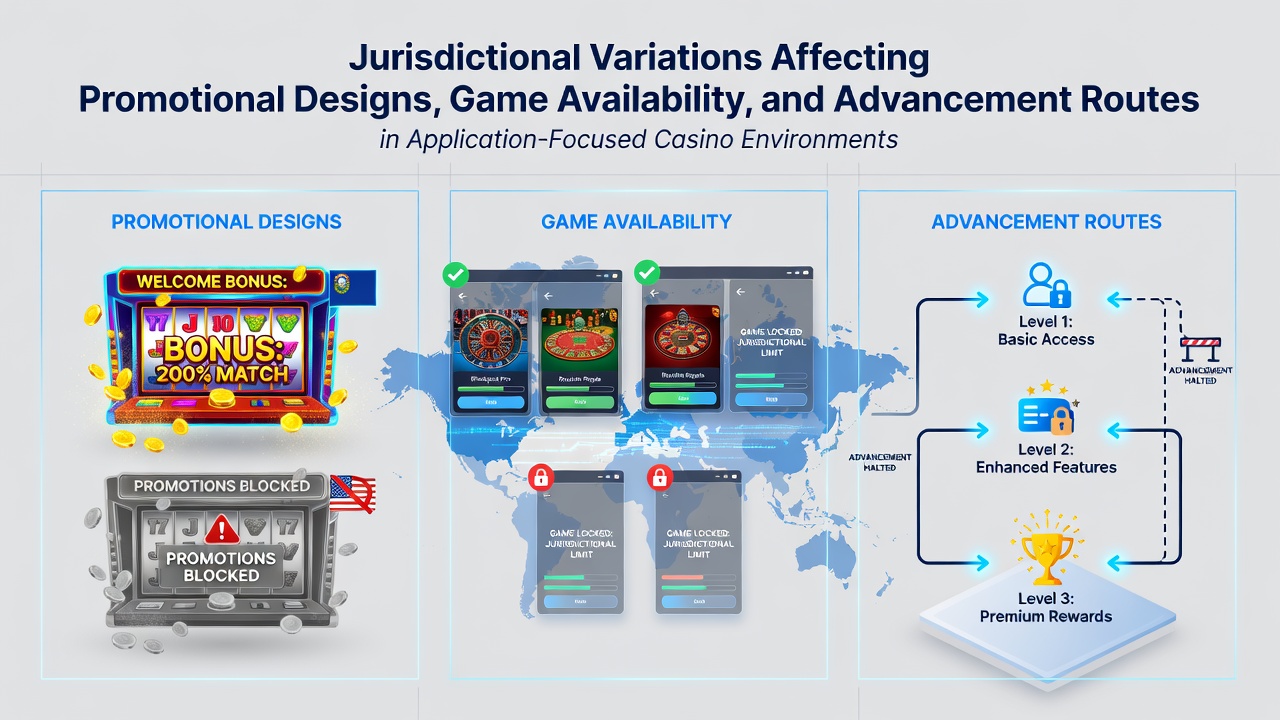
Jurisdictional rules shape how mobile casino platforms structure their promotional offers, which games appear in app stores or direct downloads, and how players move through loyalty tiers. Regulations differ sharply between states and countries, forcing operators to adjust bonus mechanics, game libraries, and reward pathways to stay compliant while still serving users in each market.
Promotional Designs Under Local Rules
Bonus structures in application-focused casino environments reflect the specific licensing conditions imposed by each jurisdiction. In New Jersey, for instance, promotional credits must carry clear wagering requirements tied to state reporting standards, whereas operators licensed in Pennsylvania face different caps on free spin quantities and deposit match percentages. These variations mean an app available in both states displays separate promotional menus depending on the user's registered location, with automatic geo-filtering that prevents cross-border bonus claims.
Data from the Nevada Gaming Control Board shows that mobile promotions in that state must disclose all terms before any deposit occurs, which influences how welcome packages appear inside the app interface. Similar requirements in other regions lead developers to build modular systems that swap out offer displays based on detected IP addresses and account verification details.
Game Availability Across Borders
Game libraries in casino applications change according to licensing agreements and content restrictions enforced locally. Certain slot titles carrying progressive jackpots remain unavailable in jurisdictions that limit pooled prize pools, while live dealer tables may require separate approvals for each studio connection. Operators therefore maintain region-specific catalogs that update automatically when users cross into new regulatory zones or change their account settings.
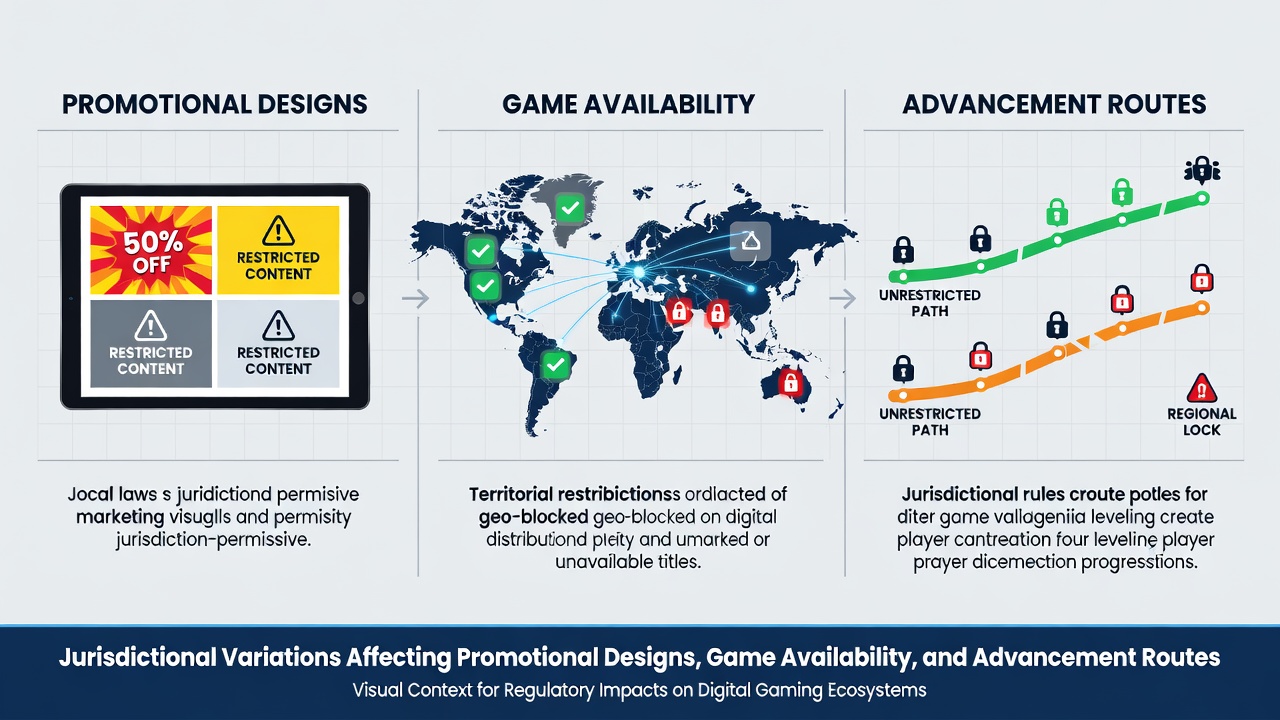
August 2026 saw several US states expand their approved game lists following new supplier certifications, allowing additional video poker variants and table game options to appear in apps for users within those borders. Meanwhile, markets with stricter content rules continue to exclude games that feature certain mechanics or themes, creating noticeable differences in what appears on the same developer's platform depending on download location.
Advancement Routes and Loyalty Structures
Player progression systems must adapt to rules governing reward accumulation and redemption. Some jurisdictions require all loyalty points to convert into non-cashable credits only, while others permit direct cash redemptions after specific thresholds. These differences force apps to segment their VIP programs so that tier advancement criteria, point earning rates, and benefit unlocks align with local statutes rather than a universal model.
Operators track these constraints through backend compliance engines that adjust visible milestones and exclusive event invitations based on the player's verified jurisdiction. Research from the Alcohol and Gaming Commission of Ontario indicates that such segmentation helps maintain regulatory approval while still offering meaningful progression paths tailored to each market's framework.
Implementation Challenges for App Developers
Building a single application that functions across multiple regulatory environments demands flexible coding for promotional displays, game servers, and loyalty databases. Developers often rely on location services combined with user account data to deliver the correct content set, yet this approach requires ongoing updates whenever a jurisdiction revises its rules on bonuses or game approvals. The result appears in frequent app version releases that modify nothing visible to users in one region while significantly altering options for users in another.
Industry reports note that coordination between legal teams and technical staff becomes essential, since even minor changes to a bonus structure can trigger re-certification processes in stricter markets. These processes affect release timelines and sometimes delay feature rollouts that have already launched elsewhere.
Conclusion
Jurisdictional differences continue to define how promotional designs, game selections, and advancement mechanisms operate inside mobile casino applications. Operators respond by maintaining separate compliance layers that deliver region-appropriate experiences without compromising platform functionality. As licensing landscapes evolve, these variations remain central to how application-focused casino environments serve users across different regulatory territories.