Interplay of Funding Mechanisms and Game Preferences in Advancing Through Recognition Levels in Portable Gaming Applications
Jonas Keller · Jul 12, 2026
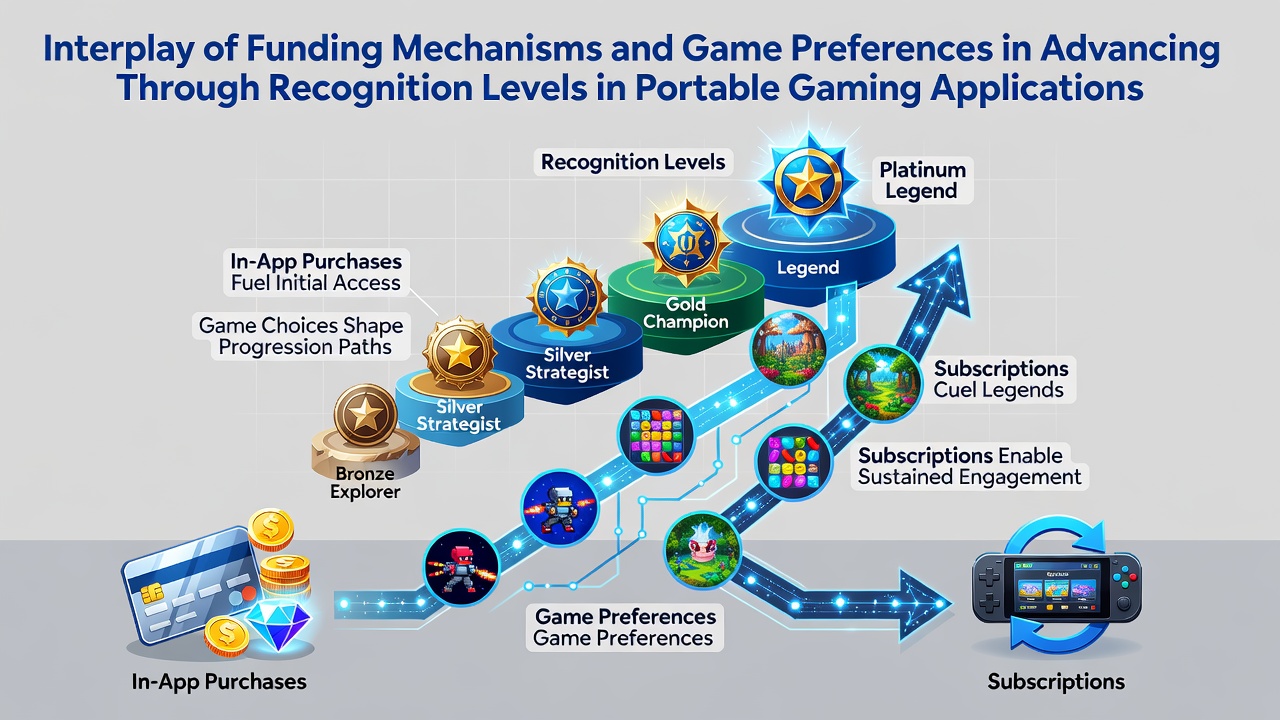
Interplay of Funding Mechanisms and Game Preferences in Advancing Through Recognition Levels in Portable Gaming Applications
Portable gaming applications have developed complex systems where funding mechanisms connect directly with game preferences to determine how quickly users move through recognition levels and reward tiers, and data from industry reports shows these connections shape player behavior across different platforms. Funding options such as bank transfers, digital wallets, and cryptocurrency channels each carry distinct processing speeds and fee structures that influence deposit frequency, while game selections ranging from reel-based titles to interactive host sessions affect point accumulation rates in loyalty programs.
Research from the American Gaming Association indicates that players who combine rapid funding tools with high-volatility game preferences tend to reach mid-tier recognition levels faster than those relying on slower transaction methods, because quicker access to funds supports sustained play sessions that generate the required activity metrics. Mobile platforms track these metrics through algorithms that assign points based on wager volume and game type, so preferences for live dealer formats often yield bonus multipliers compared to standard slot play in many applications.
Funding Channels and Their Role in Tier Progression
Payment pathways in handheld casino environments operate through integrated gateways that process transactions in seconds or minutes depending on the chosen method, and observers note that e-wallet users frequently complete multiple deposits within a single session while traditional card payments introduce delays that limit session length. These differences matter because recognition programs calculate advancement using rolling activity windows, typically 30 to 90 days, where consistent funding supports the continuous play needed to meet threshold requirements.
Studies conducted by the University of Nevada Reno Gaming Innovation Lab reveal that cryptocurrency deposits correlate with higher average session times in portable applications, partly because lower transaction costs allow users to allocate more resources toward gameplay rather than fees, and this pattern holds across both reel games and table experiences. Regulatory frameworks in regions such as Nevada and New Jersey require clear disclosure of funding timelines, which has led developers to optimize interfaces so players can select options that align with their preferred game categories without interrupting momentum.
Game Preferences and Point Accumulation Patterns
Preferences for specific game categories drive distinct advancement trajectories because slot titles often award points at fixed rates per wager while live dealer sessions incorporate time-based bonuses and interaction multipliers, and data collected from major platforms shows that users who alternate between these formats accumulate recognition points more efficiently than those focused on one category alone. Funding mechanisms amplify these effects when instant deposits enable seamless switches between game types without waiting periods that might break engagement streaks.
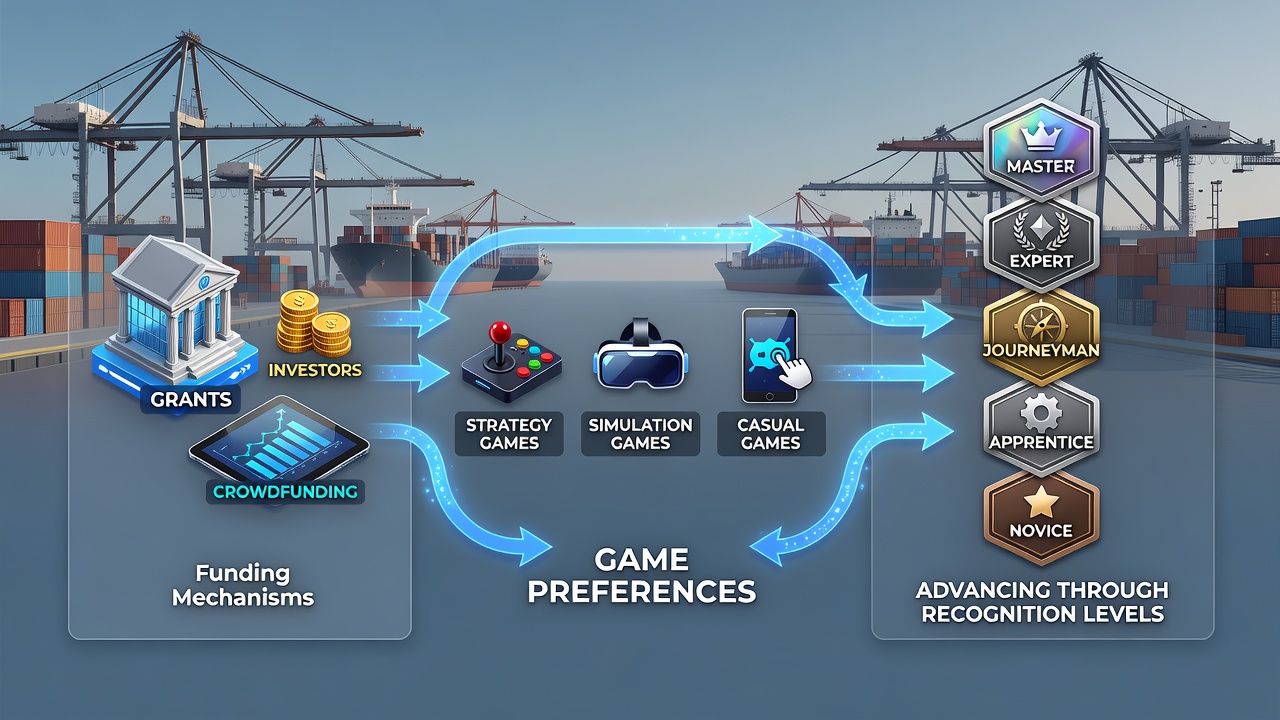
Figures from the Canadian Gaming Association highlight that players favoring interactive host sessions combined with digital wallet funding advance to upper recognition tiers at rates approximately 25 percent higher than average, because the combination supports extended participation and meets the volume thresholds set by loyalty algorithms. Portable applications update these algorithms regularly, incorporating seasonal adjustments that appeared in July 2026 updates across several major platforms, where certain game categories received temporary point boosts tied to promotional calendars.
Regional Variations in Funding and Preference Interactions
Geographic differences shape how funding tools and game choices intersect with recognition systems because regulatory environments in Australia emphasize strict deposit limits that favor slower, verified payment channels, while North American markets allow broader options that accelerate progression for users who match funding speed to game volatility preferences. European platforms outside the United Kingdom often integrate regional banking solutions that reduce processing times for local users, enabling those who prefer live dealer formats to maintain the activity levels required for tier advancement without interruption.
Industry reports compiled by the European Gaming and Betting Association document cases where diversified funding portfolios, including both traditional and emerging digital methods, help players navigate recognition requirements across multiple game types, and this diversification reduces the impact of any single channel's limitations on overall progression speed. Application developers respond to these patterns by offering in-app guidance that suggests funding and game pairings based on observed user data, though final choices remain with individual participants.
Conclusion
The connections between funding mechanisms and game preferences continue to evolve as portable gaming applications refine their recognition frameworks, and current data from multiple regulatory and research sources shows these elements work together to determine advancement rates across loyalty structures. Players who align their chosen payment tools with preferred game categories consistently meet the activity benchmarks needed for higher recognition levels, while platform updates scheduled throughout 2026 reflect ongoing adjustments to these dynamics based on aggregated usage patterns.