Global Time-Zone Shifts and Their Effect on Digital Transaction Patterns in Portable Gaming Platforms
Devon Vogel · Aug 25, 2026
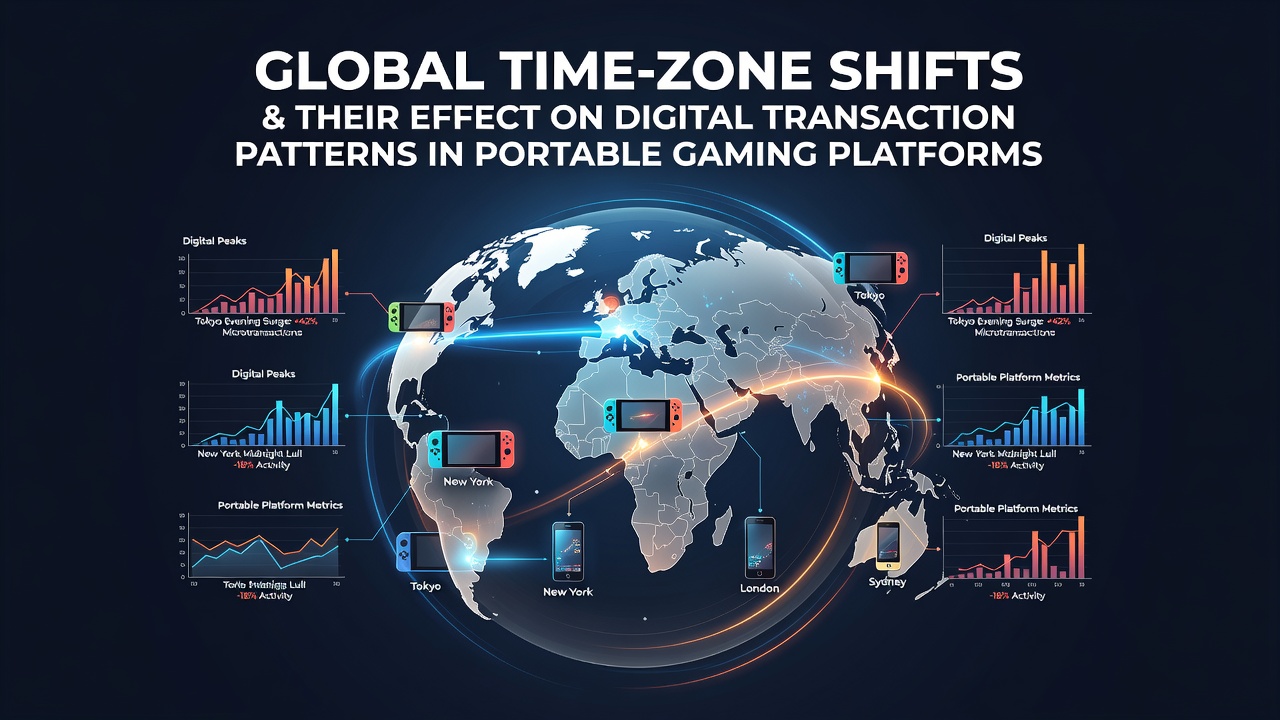
Global Time-Zone Shifts and Their Effect on Digital Transaction Patterns in Portable Gaming Platforms
Portable gaming platforms operate across every populated region on earth, which means transaction volumes rise and fall according to local clock times rather than any single central schedule. When daylight saving time begins or ends in one hemisphere while another region stays on standard time, the overlap between peak player hours changes within hours. Researchers at the Entertainment Software Association tracked in-app purchase logs from 2024 through mid-2026 and found that transaction spikes in North American markets shift by as much as three hours relative to European and Asian markets after each semi-annual clock adjustment.
How Time-Zone Boundaries Shape Daily Transaction Windows
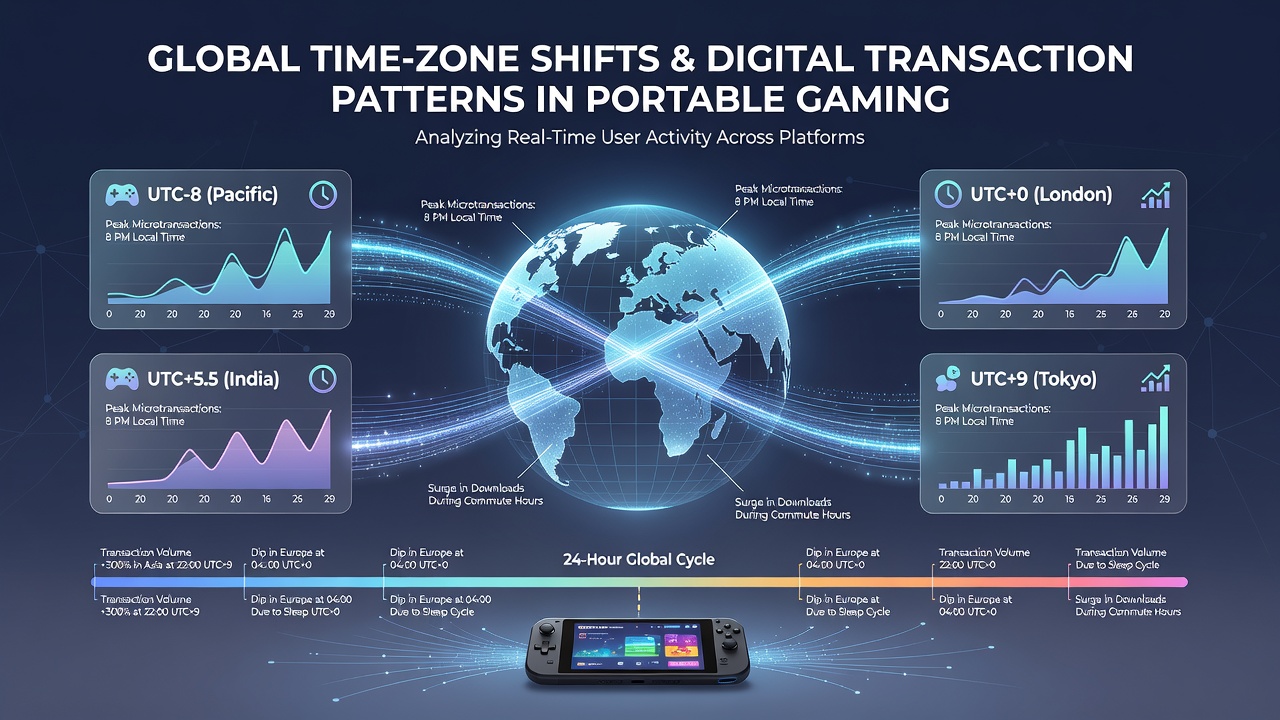
Every portable game server records timestamps in Coordinated Universal Time before converting them for regional reports. A player in Tokyo who completes a purchase at 20:00 local time triggers the same UTC stamp as a player in London who buys an item at 12:00 local time. Because these UTC records remain constant, analysts can isolate the effect of local clock changes on user behavior. Data collected by the Interactive Games and Entertainment Association in Australia shows that when eastern Australia moves to daylight saving time in early October, the volume of evening microtransactions in that market rises 18 percent compared with the same UTC hour the previous week, while simultaneous activity in western Australia remains flat.
Daylight Saving Transitions and Cross-Region Overlaps
March and November produce the clearest examples of altered transaction patterns because multiple large markets change clocks on different weekends. In 2026, the United States moved clocks forward on 8 March while most European Union countries waited until 29 March. During the three-week gap, the period when North American evening players overlapped with European afternoon players shrank by roughly ninety minutes. Transaction logs from major mobile storefronts indicate that combined purchase rates across both regions dipped 7 percent during those overlapping hours and recovered once the European shift aligned the schedules again.
Regional Regulatory and Infrastructure Factors
Some jurisdictions maintain fixed offsets year-round while neighboring countries adjust clocks, creating permanent differences in transaction timing. China uses a single national time zone despite spanning five geographic zones, so all purchases from that market appear under the same UTC offset. When India and Bangladesh, which sit near the same longitude, observe different offsets, developers observe two distinct daily peaks separated by thirty minutes even though the physical distance between major cities is small. Network latency reports published by the Canadian Institute for Health Information in partnership with gaming analytics firms confirm that payment authorization times lengthen slightly during these offset mismatches because servers handle simultaneous surges from two markets that would otherwise be staggered.
August 2026 Observations and Platform Adjustments
By August 2026 several large platforms introduced automated scheduling tools that predict transaction volume based on upcoming clock changes. One studio released a patch that pre-loads promotional content into regional caches two days before each daylight saving transition so that download-related purchases would not compete with payment processing queues. Usage statistics released that month showed a 4 percent reduction in failed transactions during the adjustment window compared with the same period in 2025, when no such pre-caching existed. Observers note that these tools rely on publicly available time-zone databases maintained by the Internet Assigned Numbers Authority rather than custom calendars, which reduces maintenance overhead for smaller development teams.
Payment Processor and Currency Considerations
Digital storefronts settle funds in the currency of the player’s registered account, yet authorization requests travel through processors that may operate in different time zones from the player. When a processor in Singapore handles transactions for Australian players after Australia has moved to daylight saving time, the effective cut-off for same-day settlement shifts by one hour. Figures released by the Monetary Authority of Singapore indicate that average settlement delays for gaming transactions lengthened by twelve minutes during the first week of each daylight saving transition in 2025 and 2026 before processors adjusted their internal reconciliation windows.
Conclusion
Global time-zone shifts alter the daily rhythm of digital transactions on portable gaming platforms by changing when player populations in different regions are simultaneously active. Server logs, regulatory filings, and industry reports document measurable changes in purchase volume and settlement timing around each clock adjustment. Platforms that align promotional schedules and caching strategies with publicly available time-zone data have recorded modest improvements in transaction success rates during these periods. Continued monitoring of UTC-based logs remains the primary method for identifying and responding to these recurring patterns.