Examining the Interplay Between Digital Payment Solutions and Advancement in Player Recognition Programs for App-Based Casino Offerings
Ben Schulz · May 28, 2026
Examining the Interplay Between Digital Payment Solutions and Advancement in Player Recognition Programs for App-Based Casino Offerings
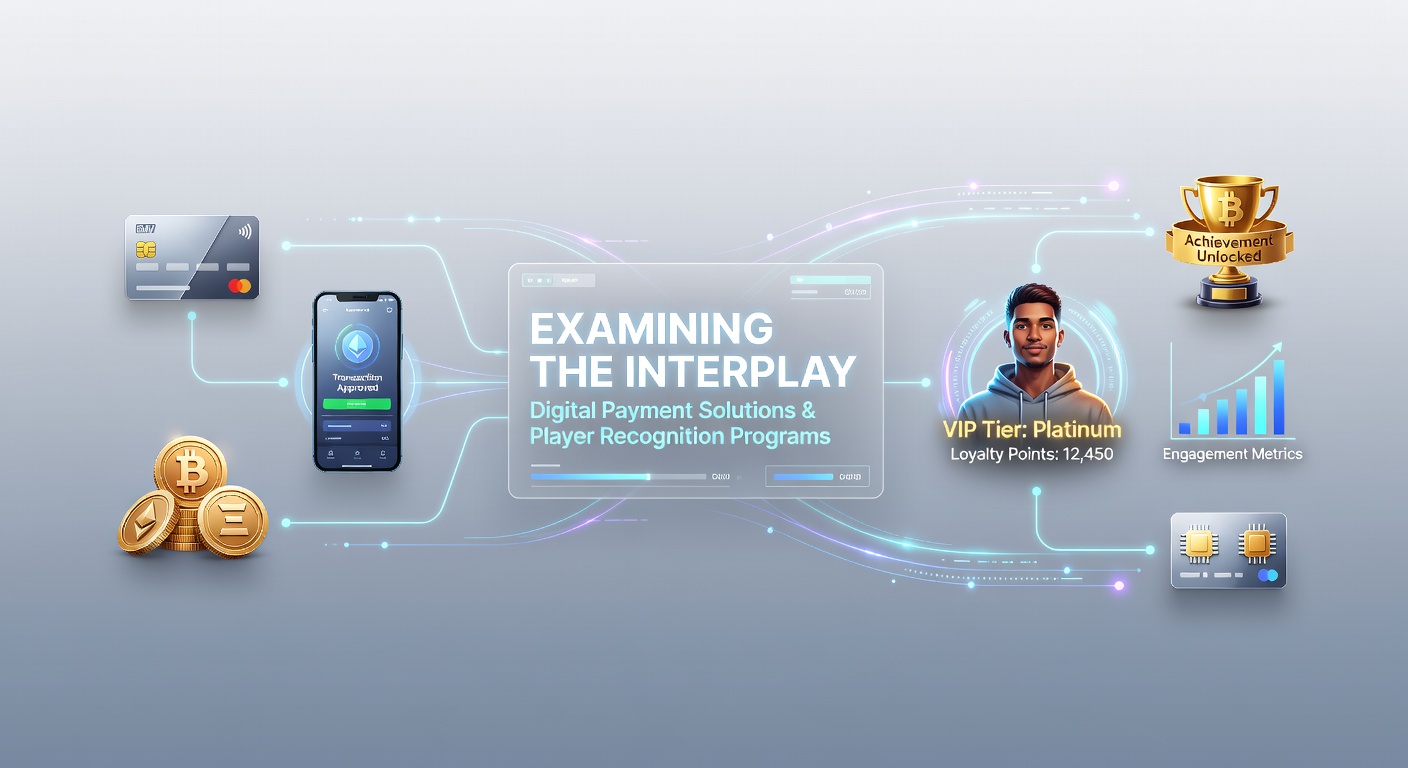
Digital payment solutions now feed directly into player recognition systems within app-based casino platforms, and the connection shapes how users advance through tiered loyalty structures. Payment data streams transmit deposit amounts, transaction frequency, and withdrawal patterns to centralized customer relationship management databases, where algorithms assign points and unlock status levels without manual intervention from operators.
App developers integrate application programming interfaces from e-wallet providers, bank transfers, and prepaid card networks into their backend systems, and this linkage allows real-time updates to player profiles. When a user completes a deposit through an approved channel, the system records the action and applies multipliers based on payment method speed or volume, which accelerates movement toward higher recognition tiers such as silver, gold, or platinum status.
Payment Tracking Mechanisms in Mobile Environments
Operators track every transaction through encrypted ledgers that sync with loyalty engines, and researchers at institutions studying digital gaming note that these records capture not only monetary values but also session duration tied to each funding event. Faster payment options, including instant bank pushes and mobile wallets, generate higher point accrual rates because the reduced processing time correlates with increased play activity during the same login period.
Recognition programs use these inputs to calculate eligibility for personalized offers, and data from transaction logs determines whether a player qualifies for expedited tier progression. In regions with established frameworks such as those overseen by the Nevada Gaming Control Board, operators must maintain audit trails that link payment sources to loyalty advancements, ensuring compliance while supporting seamless user experiences.
Advancements Driven by Integrated Systems
Modern platforms employ machine learning models that analyze payment histories alongside game preferences, and this analysis refines the criteria for advancing players into exclusive circles. For instance, repeated use of digital wallets that support recurring deposits triggers automatic notifications about available upgrades, while slower methods like traditional wire transfers may require additional verification steps before points post.
Those who monitor industry reports observe that several operators introduced tiered multipliers in 2025 that reward specific digital channels, and these changes coincide with broader adoption of token-based systems that further streamline recognition calculations. By May 2026, additional jurisdictions plan to roll out updated guidelines that standardize how payment verification feeds into loyalty reporting, which could expand cross-platform recognition for users who switch between multiple apps.

Regional Examples and Data Patterns
Studies compiled by the Australian Gambling Research Centre highlight correlations between digital payment adoption rates and loyalty program participation in mobile casino markets, and figures reveal that users who rely on instant transfer methods reach mid-tier status 25 percent faster on average than those using delayed options. These patterns appear across both regulated and emerging markets, where operators adjust recognition algorithms to account for local payment preferences.
European operators following directives from bodies such as the Malta Gaming Authority have documented similar trends, and their internal metrics show that integration of cryptocurrency wallets into existing payment stacks produces distinct spikes in player advancement during promotional windows. The data sets include timestamps that allow precise mapping of each deposit to subsequent tier movements, creating transparent records for both users and regulators.
Technical Requirements and Future Adjustments
App-based systems require secure tokenization of payment details to prevent duplication of recognition credits, and developers implement multi-factor authentication layers that also serve as checkpoints for loyalty validation. When these safeguards function correctly, players experience uninterrupted progression even during high-volume deposit sequences, whereas technical mismatches can delay point allocation until manual review completes.
Industry associations track these technical dependencies and publish summaries that detail how payment latency affects recognition speed, and the reports emphasize the need for continuous updates to application code as new digital channels emerge. Observers note that compatibility testing between payment gateways and loyalty modules now forms a standard phase in app release cycles.
Conclusion
The documented connections between digital payment flows and player recognition advancement demonstrate measurable impacts on how app-based casino users access tiered benefits. Transaction records supply the raw inputs that loyalty engines process, while regional regulatory requirements shape the audit standards applied to those records. As payment technologies continue to evolve and new reporting deadlines approach in 2026, the systems that link funding activity to status upgrades will likely incorporate additional verification layers and refined algorithms to maintain accuracy across platforms.