Evaluative Guides Illuminating Routes to Elevated Status via Transaction Diversity in Interactive Gaming Applications
Devon Vogel · May 31, 2026

Evaluative Guides Illuminating Routes to Elevated Status via Transaction Diversity in Interactive Gaming Applications
Evaluative guides in the mobile gaming sector have emerged as structured resources that map out specific sequences of financial transactions across multiple payment channels, and these pathways connect directly to advancement within player recognition systems offered by interactive casino applications. Data from industry monitoring groups shows that operators in regulated markets track deposit variety, withdrawal frequency, and method selection as measurable inputs that influence tier progression algorithms. According to reports from the Pennsylvania Gaming Control Board, transaction logs now feed into loyalty engines that calculate eligibility for higher status levels based on diversification metrics rather than volume alone.
People who examine these guides often notice that single-method deposit patterns receive lower weighting in reward hierarchies compared to mixed approaches involving cards, e-wallets, bank transfers, and cryptocurrency options where permitted. Researchers at the University of Nevada, Las Vegas have documented how application interfaces record each payment type separately, allowing the system to assign distinct point multipliers that accumulate toward elite thresholds. This structure encourages users to explore alternative funding routes while operators maintain compliance with regional financial reporting standards.
Mapping Payment Variety to Recognition Programs
Interactive gaming applications typically segment loyalty advancement into stages where initial entry requires minimal activity, yet sustained elevation demands consistent demonstration of transaction diversity. Guides published by platform developers outline concrete examples such as combining a credit card deposit with an e-wallet withdrawal followed by a direct bank transfer, each step triggering incremental status markers visible in user dashboards. Figures released by the Canadian Gaming Association indicate that players engaging three or more distinct methods per month reach mid-tier status 40 percent faster on average than those relying on repeated single-channel activity.
Application developers integrate these metrics through backend protocols that synchronize with external payment processors, ensuring real-time updates to player profiles. Evaluative materials break down regional variations, noting that European Economic Area operators often prioritize SEPA transfers alongside card transactions, whereas North American platforms emphasize ACH and instant banking solutions. Such differentiation appears in guide sections that compare interface flows across jurisdictions without prescribing specific user actions.
Documented Progression Mechanisms in Mobile Environments
Studies conducted by academic teams focusing on digital entertainment economics reveal that transaction diversity functions as a secondary variable alongside wagering volume and session duration. One analysis of anonymized datasets from major handheld platforms found correlations between method rotation and accelerated access to live dealer tables reserved for higher tiers. Guides translate these correlations into step-by-step sequences, illustrating how an initial slot bonus funded via cryptocurrency might transition into a live dealer session paid through an e-wallet, thereby satisfying diversification criteria embedded in the loyalty code.
Observers note that many applications now display progress bars segmented by payment category, providing visual feedback that aligns with the evaluative frameworks distributed through operator help centers. In May 2026 several platforms introduced updated tracking modules that log cryptocurrency volatility adjustments separately from fiat methods, creating additional data points for tier calculations. These enhancements appear in revised guide versions that incorporate screenshots of the new interface elements and corresponding point allocations.
Comparative Analysis Across Application Ecosystems
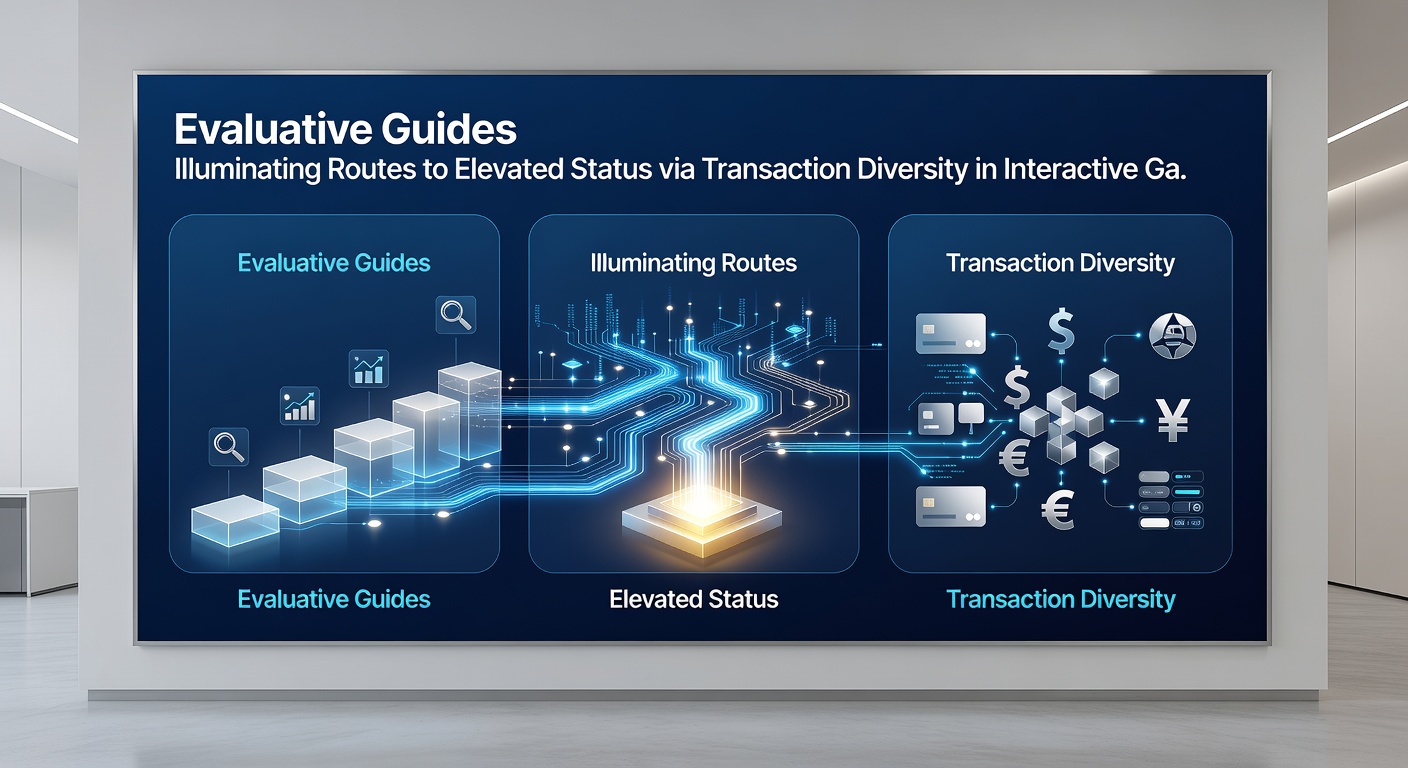
Evaluative resources frequently include side-by-side comparisons of how different operators weight identical transaction sets. One documented case involves a user completing a card deposit, followed by an e-wallet cashout, and concluding with a cryptocurrency reload within a single calendar week, resulting in tier elevation within two weeks on certain platforms. Similar sequences on alternate applications produce slower advancement when the system assigns lower multipliers to cryptocurrency activity. Guides compile these outcome variations using publicly available terms of service language, enabling readers to align their transaction patterns with target recognition programs.
Regulatory filings submitted to bodies such as the New Jersey Division of Gaming Enforcement contain aggregated statistics on loyalty program participation that reflect these weighting differences. Industry trade associations have compiled supplementary datasets showing that diversified transaction histories correlate with higher retention rates across portable reel and table applications. The guides synthesize such information into decision trees that users can follow without direct reference to operator-specific promotional language.
Integration of Guides into Daily Application Use
Many interactive gaming applications now embed quick-reference links to evaluative materials directly within account settings, allowing seamless consultation during deposit selection screens. These integrated resources list compatible payment combinations that satisfy diversification thresholds while remaining within daily and weekly transaction limits enforced by regional rules. Users who consult the materials report structured experimentation with funding sources that previously remained unused, thereby expanding the data profile submitted to the loyalty engine.
Platform analytics shared through industry roundtables demonstrate that applications offering embedded guides experience measurable increases in multi-method transaction frequency. The guides themselves undergo periodic revision to reflect changes in processor availability, currency support, and algorithm adjustments announced by operators. This iterative process maintains alignment between documented routes and actual system behavior across global markets.
Conclusion
Evaluative guides function as informational bridges that translate backend loyalty algorithms into actionable transaction sequences for participants in mobile gaming applications. By documenting how payment method variety influences status elevation, these resources provide structured references drawn from regulatory filings, academic datasets, and platform specifications. Continued refinement of such materials tracks ongoing developments in payment technology and recognition program design, supporting consistent navigation of advancement pathways within interactive environments.